
Pokhara Itinerary: 4 Days of Serenity and Adventure
Explore the beauty of Nepal with this Pokhara itinerary featuring stunning landscapes, adventure activities, and local culinary experiences for a memorable trip.
On this page
Pokhara, nestled in the heart of the Annapurna mountain range, is a paradise for nature lovers, adventurers, and serenity seekers. Known for its breathtaking lakes, majestic peaks, and vibrant culture, this Pokhara itinerary will guide you through must-visit attractions, thrilling activities such as paragliding and trekking, and insightful tips that ensure you experience the best this enchanting city has to offer. Get ready to immerse yourself in the stunning beauty and tranquil atmosphere of Pokhara, making your trip unforgettable.
Key Takeaways
- Day 1: Stroll along Phewa Lake, visit Tal Barahi Temple, and watch the sunset from Sarangkot.
- Day 2: Experience thrilling paragliding over Pokhara, followed by a hike to the World Peace Pagoda.
- Day 3: Visit the International Mountain Museum, explore Gupteshwor Cave, and marvel at Devi’s Fall.
- Day 4: Take a day trip to Sarangkot for sunrise views or go to Jomsom for the stunning Mustang region.
- Consider visiting Pokhara from September to November to enjoy the crystal-clear skies and mild weather.
Day 1: Discover the Lakeside Charm of Pokhara
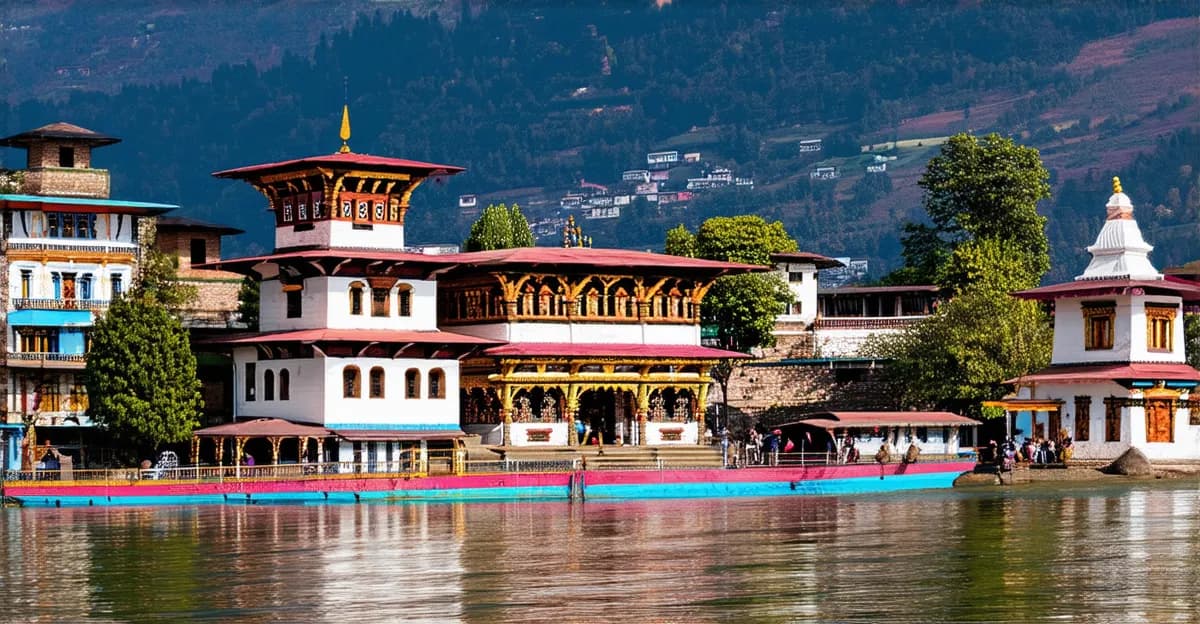
Start your Pokhara itinerary with a stroll along Phewa Lake, the shimmering centerpiece of the city. The lake, surrounded by stunning mountain vistas and lush greenery, provides a serene setting for a morning walk or even a leisurely boat ride. Rent a rowboat or paddleboat from one of the local vendors, allowing you to take in the beautiful views while gliding across its tranquil waters.
During your exploration, don’t miss a visit to the Tal Barahi Temple, an iconic two-story pagoda situated on an island in the lake. Accessible by boat, this temple is dedicated to the Hindu goddess Barahi and presents an immersive cultural experience. Revel in the vibrant atmosphere as the locals come to pay their respects, and take time to appreciate the intricate architecture.
Insider’s Tip: Early morning visits are ideal for peace and breathtaking reflections of the Annapurna range on the lake’s surface.
As the day progresses, consider having lunch at one of the lakeside cafes. Numerous eateries line the waterfront, offering delicious Tibetan and Nepali cuisine. Try local delicacies such as momos (dumplings) or dal bhat (lentil soup served with rice) while you enjoy the picturesque views of Phewa Lake.
In the afternoon, embark on a short hike or take a taxi up to Sarangkot. This vantage point offers one of the best panoramic views in Pokhara, especially at sunset. The vibrant hues of orange, pink, and purple cast against the Himalayan landscape make for a breathtaking sight. Make sure to have your camera ready, as this experience is a highlight of any Pokhara itinerary.
| Activity | Location | Duration | Notes |
|---|---|---|---|
| Stroll/Paddle on Phewa Lake | Phewa Lake | 2-3 hours | Boat rentals available. |
| Visit Tal Barahi Temple | Tal Barahi Temple | 1 hour | Access via boat. |
| Hike to Sarangkot | Sarangkot | 1-2 hours | Best at sunset. |
As the sun dips below the mountains, it’s time to return to Pokhara. Dotting the lakeside are various restaurants and cafes perfect for dinner. Savor your evening meal while taking in the vibrant atmosphere and reflecting on your remarkable first day in this enchanting city.
Finnishing Day 1 with a intake of local culture and stunning views sets a perfect tone for the upcoming Adventures awaiting you in Pokhara!
Day 2: Adventure Awaits: Paragliding and Hiking
On your Pokhara itinerary, Day 2 promises to be filled with thrilling Adventures and breathtaking natural beauty. Start your day with an adrenaline rush by experiencing the exhilarating sport of paragliding. This activity allows you to soar over the stunning landscapes of Pokhara, providing you with panoramic views that will make a lasting impression.
Morning: Paragliding Experience
Kick off the day by heading to Pokhara Paragliding for your flight. Ensure you check the weather conditions in advance, as paragliding is best experienced on clear days. Upon arrival, you will receive a safety briefing and be equipped with your gear. A short drive will take you to the launch site, Mount Sarangkot, which sits at an elevation of approximately 1,600 meters.
As you prepare for takeoff, the excitement builds. When you leap off the edge, be ready to feel the freedom of flight as you glide through the air. The stunning views of Phewa Lake, the Annapurna mountain range, and lush green hills create an unforgettable backdrop. The paragliding experience typically lasts around 30 minutes, allowing for plenty of time to soak in the scenery.
Pro Tip: Bring your camera or ask your pilot to take photos during your flight. The views are surreal, and capturing these moments will be cherished for years to come!
Midday: Hiking to the World Peace Pagoda
After your exhilarating paragliding experience, refuel with a traditional Nepali lunch at a local eatery near Phewa Lake. Once you’ve had your fill, set out on a hike to the World Peace Pagoda, an iconic stupa located on a hill that overlooks Pokhara. This approximately 1.5-hour hike is moderate in difficulty and offers stunning vistas along the way.
As you ascend, take the time to appreciate the vibrant flora and fauna surrounding you. The peaceful atmosphere helps you unwind and connect with nature. Upon reaching the pagoda, you will be rewarded with enchanting views of Pokhara and the Annapurna mountains, making it a perfect spot for photography.
Afternoon: Leisure and Exploration
After visiting the pagoda, you can either choose to return on foot or take a quick ride on a local taxi back to the lakeside area of Pokhara. Spend the afternoon leisurely wandering around Phewa Lake. Consider indulging in a rowboat trip, which can be a calming way to take in the surrounding scenery, including the verdant hills and numerous small islands.
If you’re feeling adventurous, visit the nearby Tal Barahi Temple, located on an island in the lake, dedicated to the Hindu goddess Barahi. The temple’s serene ambiance offers a great way to learn about local Culture and spirituality.
Did You Know? Tal Barahi Temple is a two-story pagoda-style temple that dates back to the 18th century and is a significant religious site for locals.
Evening: Sunset at Sarangkot
As the day winds down, don’t miss the chance to return to Sarangkot for sunset views. This spot is famous for offering one of the most picturesque sunsets you will ever witness, with the sun casting a warm golden hue over the mountains, a view that perfectly complements your action-packed day.
As darkness falls, head back to Pokhara and enjoy a relaxed dinner at one of the lakeside restaurants, reflecting on a day filled with adventure and natural beauty. Your Pokhara itinerary continues to unfold beautifully, highlighting the best that this unique region has to offer.
Day 3: Explore the Rich Culture and History
On your third day in Pokhara, immerse yourself in the rich Culture and history that this fascinating city has to offer. Known as a gateway to the Annapurna region, Pokhara is not only famous for its stunning landscapes but also for its cultural heritage.
Morning: Visit the International Mountain Museum
Start your day with a visit to the International Mountain Museum. This unique museum showcases the history of mountaineering and the incredible culture of the Nepali people. With various exhibitions on the different mountain ranges, the indigenous communities, and the biodiversity of the Himalayas, you’ll gain a deeper understanding of the region’s significance. Be sure to allocate a few hours to fully appreciate the informative displays and visual presentations.
Pro Tip: Take a guided tour to get the most out of your visit; knowledgeable guides often provide deeper insights into the exhibits.
Afternoon: Explore Gupteshwor Cave
After the museum, head to Gupteshwor Cave, an essential part of Pokhara’s historical narrative. This cave, dedicated to Lord Shiva, features stunning stalactites and stalagmites, contributing to its mystical ambiance. Inside the cave, you will also find a sacred area for worship, a testament to the importance of religion in Nepali culture.
The exit of the cave leads to the breathtaking Devi’s Fall, where water cascades dramatically into a deep gorge. This natural wonder is particularly stunning during the monsoon season when the water flows with tremendous force. Take your time to enjoy the surroundings and capture some striking photographs.
Late Afternoon: Cultural Mix at Lakeside
After experiencing the underground wonders, return towards the Phewa Lake area for a leisurely stroll. Here, you can witness a mix of cultures, as many local artisans, restaurants, and shops dot the promenade. Stop for a meal at one of the lakeside restaurants and enjoy traditional Nepali cuisine while overlooking the serene waters.
As you move along the lake, don’t miss the opportunity to visit the Tal Barahi Temple, located on an island in the lake. This two-story pagoda is dedicated to the goddess Barahi. Reaching it involves a short boat ride, offering you more scenic views of the surrounding landscape.
Evening: Sunset Serenity at Sarangkot
As the day winds down, make your way to Sarangkot for a spectacular sunset. This viewpoint is easily accessible, and the panoramic views of Pokhara, the lakes, and the majestic Himalayas create an unforgettable backdrop. The colors of the sunset are absolutely stunning and a popular highlight for both travelers and locals.
Don’t forget your camera! The enchanting sunset view from Sarangkot is something you’ll likely want to capture and remember.
As the day comes to a close, you will surely feel enriched by the diverse experiences and cultural insights gained throughout your explorations. Each site visited during your exploration of Pokhara’s history reflects the essence of this vibrant destination. Remember, your Pokhara itinerary isn’t just about the sights; it’s also about the stories behind them.
Day 4: Day Trips to Natural Wonders
On Day 4 of your Pokhara itinerary, immerse yourself in the stunning natural wonders surrounding this beautiful city. With a multitude of breathtaking day trip options, you can choose Adventures that cater to both the thrill-seeker and nature lover in you.
Morning: Sunrise at Sarangkot
Begin your day early with a trip to Sarangkot, renowned for its stunning sunrise views over the Annapurna range. The short drive or hike to the viewpoint not only rewards you with picturesque panoramas but also a tranquil atmosphere to experience the day breaking over the majestic mountains. Make sure to carry your camera! The vibrant hues of the sunrise reflecting on the snow-capped peaks create a captivating sight that’s worth waking up early for.
Mid-Morning: Visit Pokhara’s Museums
After soaking in the sunrise, return to Pokhara and explore the internationally acclaimed museums that reflect the region’s rich cultural heritage. The International Mountain Museum is a must-visit, where you can learn about the history of mountaineering and the diverse ecosystems of the Himalayas. The exhibits provide insight into the lives of the mountain communities as well as the challenges of conquering some of the world’s highest peaks.
Afternoon: Jomsom and Mustang Region
For the afternoon, consider taking a trip to Jomsom, the gateway to the Mustang region. This area is famed for its unique Tibetan Buddhist culture and rugged landscapes. The journey to Jomsom is as beautiful as the destination itself; whether you opt for a scenic flight or a more adventurous jeep ride, you’ll be treated to impressive views of the mountains and valleys. Once in Jomsom, explore the charming village and its surrounding areas, such as Muktinath Temple, which holds religious significance for both Hindus and Buddhists.
| Feature | Sarangkot | Jomsom |
|---|---|---|
| Distance from Pokhara | 8 km | 124 km |
| Travel Time | 30 minutes | 30 minutes (flight), 7-8 hours (drive) |
| Main Activities | Sunrise viewing, hiking | Cultural exploration, sightseeing |
Evening: Return to Pokhara
As your day draws to a close, return to Pokhara and take a leisurely walk along Phewa Lake if time permits. The serene environment, with local cafes and restaurants lining the lake, is perfect for unwinding after an adventurous day. Enjoy the reflections of the surrounding hills on the lake waters as the sun sets, offering a breathtaking end to your adventure.
“Exploring the natural wonders around Pokhara adds a magical touch to your itinerary. Every sunrise and sunset brings new perspectives!”
Day 4 on your Pokhara itinerary is filled with opportunities for adventure, cultural Experiences, and deeper connections to the stunning natural environment of this incredible region. Ensure to plan wisely to maximize your adventures, savoring every moment spent in this picturesque part of Nepal.
Best Time to Visit: Seasonal Highlights for Your Pokhara Itinerary
When planning your Pokhara itinerary, timing plays a vital role in what you experience. Nestled in the heart of Nepal, Pokhara is blessed with a diverse climate, providing distinct seasonal Highlights that cater to various travel preferences.
Spring (March to May)
Spring is an excellent time to visit Pokhara. The weather is typically warm and pleasant, making it ideal for outdoor Activities. The average daytime temperatures range from 15°C to 25°C (59°F to 77°F). During this season, you can immerse yourself in a vibrant display of blooming flowers, especially rhododendrons, the national flower of Nepal.
Pro Tip: Spring is also a popular time for festivals in Nepal, such as Holi, where you can experience the rich cultural heritage of the region.
Summer (June to August)
Summer in Pokhara brings the monsoon season, characterized by heavy rainfall and humidity. Average temperatures reach around 20°C to 30°C (68°F to 86°F). While the rains may deter some visitors, the landscape becomes lush and green, framing the beautiful lakes and mountains.
However, summer can limit certain Activities. For instance, trekking and paragliding might be less ideal due to muddy trails and poor visibility.
“Rainy days often lead to stunning views, with waterfalls roaring and the surrounding nature flourishing.”
Autumn (September to November)
Considered the best time to visit Pokhara, autumn welcomes clear skies and moderate temperatures, typically between 10°C to 25°C (50°F to 77°F). This season offers the best views of the Himalayas, making your Pokhara itinerary unforgettable. The hiking trails are in excellent condition, appealing to both seasoned trekkers and leisurely walkers.
As you stroll along Phewa Lake or take a flight for paragliding, you’ll find that condition is perfect for capturing breathtaking photographs of the Annapurna Range.
Winter (December to February)
Winter in Pokhara can be chilly, with temperatures sometimes dropping to 5°C (41°F) at night. Daytime temperatures range between 10°C to 20°C (50°F to 68°F). Although cold, winter presents a serene charm with fewer crowds, allowing for a more peaceful experience.
While some trekking routes may be snow-covered, activities like visiting Devi’s Fall and touring local museums remain accessible. Dress warmly, and you can enjoy stunning sunrise views over the mountains without the daytime heat of other seasons.
Conclusion
Choosing the best time for your Pokhara itinerary hinges on what Experiences you seek. Whether you prefer vibrant festivities in spring, the lush landscapes of summer, the crystal-clear skies of autumn, or the tranquil winter scenes, each season adds unique charm to Pokhara’s splendid beauty.
Always consider weather patterns and your own preferences while planning, as this will enhance your overall travel experience in this spectacular Nepali destination.
Travel Tips for Your Pokhara Itinerary: Costs and Logistics
Planning a detailed Pokhara itinerary involves understanding the costs and logistics associated with getting there and enjoying your stay. This beautiful city, nestled in the lap of the Himalayas, offers a myriad of adventures, so it’s crucial to prepare accordingly to make the most of your visit. Below, we’ll cover essential travel tips that’ll help you navigate your journey seamlessly.
1. Transportation Options
When getting to Pokhara, you have a few options depending on your starting point. If you’re heading from Kathmandu, you can choose between flying or taking a bus. Flights take approximately 25 minutes, whereas the bus journey lasts about 6 to 8 hours. Although flying can be pricier, it offers breathtaking aerial views of the Himalayas, making it an exciting choice for many travelers.
| Transportation | Duration | Cost (approx.) |
|---|---|---|
| Flight from Kathmandu | 25 minutes | $100 – $150 |
| Bus from Kathmandu | 6 – 8 hours | $10 – $25 |
2. Accommodation Choices
Pokhara provides a variety of accommodation options, from budget-friendly hostels to luxurious hotels. You can find several hotels along the lakefront, offering stunning views and easy access to local attractions. On average, expect to pay:
- Budget Hotels: $10 – $30 per night
- Mid-range Hotels: $30 – $80 per night
- Luxury Hotels: $80 – $200+ per night
Pro Tip: Booking your stay in advance, especially during peak seasons from September to November, can save you money and ensure availability at your preferred hotel.
3. Daily Budget
Your daily budget in Pokhara largely depends on your activities and preferences. For a rough estimate, consider the following:
- Food: $5 – $15 per day (local eateries)
- Activities: $10 – $50 per day (paragliding, entrance fees, etc.)
- Transportation: $5 – $15 per day (local buses, taxis)
Overall, a daily budget of $20 to $100 should suffice, depending on your travel style.
4. Currency and Payments
The local currency in Nepal is the Nepalese Rupee (NPR). Cash is the most commonly accepted form of payment, especially in less touristy areas. ATMs are available in Pokhara, but it’s wise to carry cash as many local businesses do not accept credit cards. Exchange currency at authorized exchange offices or banks for the best rates.
5. Connectivity
Staying connected during your trip is essential. Many cafes and restaurants in Pokhara offer free Wi-Fi. Alternatively, you can purchase a local SIM card from a mobile provider upon arrival. Be sure to check compatibility with your phone!
6. Safety and Health Precautions
While Pokhara is generally safe for tourists, it’s important to stay vigilant, especially in crowded places. Keep your belongings secure and be aware of your surroundings. Additionally, it’s advisable to drink bottled water to avoid any health issues.
“Preparation is the key to an unforgettable experience! Follow these tips for a smooth travel journey in Pokhara.”
These considerations will help you craft an effective Pokhara itinerary tailored to your interests and budget. By planning wisely, you can enjoy the exquisite charm of Pokhara without any hassles.
This 4-day Pokhara itinerary is packed with activities that encompass the city’s natural beauty and cultural richness. Whether you’re soaring through the skies on a paraglide or enjoying the serene views of Phewa Lake, Pokhara promises unforgettable memories. Adapt this guide to your preferences and start your adventure in this scenic haven today!
Frequently Asked Questions
A: The best time to visit Pokhara is from September to November, when the weather is clear and perfect for outdoor activities.
A: A 4-day itinerary is perfect for exploring major attractions and enjoying the serene beauty of Pokhara.
A: Phewa Lake, Sarangkot, the World Peace Pagoda, and Devi’s Fall are must-see spots.
A: Pokhara offers taxis, local buses, and bicycle rentals for easy transportation within the city.
A: Yes, destinations like Sarangkot for sunrise views or Jomsom for trekking are excellent additions.
A: Visit the Lakeside area for local eateries or participate in traditional Nepali dance performances.
 Pokhara Experiences: 10 Unforgettable Adventures to EnjoySeptember 3, 2025
 Pokhara Nightlife: Discover Top 10 Experiences After DarkSeptember 1, 2025
 Pokhara Culture: Explore 10 Unique ExperiencesAugust 31, 2025