14 Best Albuquerque Sightseeing Spots & Local Guide (2026)
Plan your Albuquerque sightseeing with our guide to the 14 best spots, including the Sandia Tramway, Old Town, and Route 66, plus local tips on altitude.
On this page
14 Best Albuquerque Sightseeing Spots & Local Guide
After visiting the Duke City multiple times over the last decade, I have seen it transform into a premier Southwest destination. This high-desert hub offers a unique blend of ancient Pueblo history, neon-lit Route 66 nostalgia, and stunning mountain vistas. This guide reflects 2026 pricing and the Route 66 Centennial celebrations that make this an especially rewarding year to visit.
Planning your Visit Albuquerque trip requires understanding the city's vast layout and high elevation. Most travelers find that three to four days allow for a perfect mix of cultural museums and outdoor adventures. Our editors have curated this list to ensure you see the most impactful things to do in Albuquerque while avoiding common visitor mistakes.
Sandia Peak Aerial Tramway
The Sandia Peak Aerial Tramway is the single most dramatic sightseeing experience in Albuquerque. It climbs 10,378 feet above sea level in about 15 minutes, delivering 11,000-square-mile panoramic views of the Rio Grande Valley, the city grid below, and on clear days distant desert ranges in four states. It is one of the longest aerial tramways in the world and the views justify every dollar of the ticket price.
Adult tickets typically cost $30 to $35 and the tram operates daily from 09:00 to 20:00. Book online well in advance, especially for the sunset tram which fills weeks ahead during summer and Balloon Fiesta season. Bring a jacket regardless of conditions in the city — the summit sits at treeline and temperatures run 20°F cooler than the valley floor. Once up top, the ridgeline trail to Kiwanis Cabin adds 30 minutes of hiking for even wider views.
The sunset ride is the standout. The light hits the desert floor at an angle that turns the Rio Grande corridor gold, and you watch Albuquerque's street grid light up below you as the sky shifts through red and orange. If you only do one paid activity in the city, make it this one.
Historic Old Town Albuquerque
Founded in 1706, Old Town is the spiritual and architectural heart of Albuquerque. The adobe-lined plaza surrounds the San Felipe de Neri Church (1793), the oldest building in the city, and more than 100 shops, galleries, and restaurants fill the surrounding blocks. Walking through the district feels genuinely different from any generic historic downtown in the Southwest — the flat-roofed adobe buildings are the real thing, not a recreation.
Admission to the plaza itself is free and most shops open from 10:00 to 18:00. Park in the large lot on the north side of the plaza to avoid the narrow streets around the church. Allow at least two hours to do the district justice: the Rattlesnake Museum and the Albuquerque Photographers Gallery both deserve time, and the side alleys hold smaller galleries worth wandering. Consult our Old Town Albuquerque guide for a street-by-street breakdown.
If you want more structure, ghost tours and food-focused walking tours depart from Old Town in the evenings and are a good way to cover ground with local commentary. Several departures run nightly during peak season.
Indian Pueblo Cultural Center
Owned cooperatively by the 19 Pueblos of New Mexico, this center is the most authoritative introduction to Pueblo history and culture you will find in the Southwest. Exhibits trace the Pueblo people from their ancient origins through European contact, the Pueblo Revolt of 1680, and into the present day. The presentation is candid and does not soften the difficult chapters — which makes it far more valuable than a typical cultural museum.
Admission runs $10 to $15 and the center is open Tuesday through Sunday from 09:00 to 16:00. Time your visit for the weekend noon dances to see traditional performances in the central courtyard. The on-site Indian Pueblo Kitchen is the one restaurant in Albuquerque where most visitors regret not allowing more time: the blue corn pancakes at breakfast are genuinely extraordinary, and the kitchen sources ingredients from the Pueblos themselves. Build in at least an hour for a meal.
ABQ BioPark: Zoo, Aquarium, and Botanic Garden
The ABQ BioPark is four attractions in one: a 64-acre zoo, an aquarium, a desert-themed botanic garden, and Tingley Beach along the Rio Grande. Combo tickets cost $10 to $15 for adults and the site is open daily from 09:00 to 17:00. You could fill an entire day here without running short of things to see. The zoo habitats are well-designed and cover everything from great apes to large cats; the botanic garden's butterfly pavilion and Japanese garden sections are worth the separate time.
The Heritage Farm inside the Botanic Garden is a hidden corner that most visitors walk past — it is a quiet working farm with chickens, goats, and heirloom crops that kids tend to love. Rent a bike near the park entrance and explore the adjacent Paseo del Bosque trail along the river before or after your visit to extend the day without additional cost.
Anderson-Abruzzo International Balloon Museum
Albuquerque is the ballooning capital of the world, and this museum earns its place as a full day of sightseeing rather than a quick stop. It covers the entire history of flight from the first Montgolfier launches in 1783 through modern competitive ballooning. The balloon flight simulator is a centerpiece exhibit — it is harder than it looks and worth every embarrassing minute.
Adult entry costs approximately $6 and the museum is open Tuesday through Sunday from 09:00 to 17:00. It sits next to the Balloon Fiesta launch field, so visiting outside of October gives you the launch meadow entirely to yourself. The Balloon Fiesta runs for nine days in early October when hundreds of balloons lift off at dawn — if your dates overlap, nothing in the city competes with it for spectacle.
Albuquerque Museums: Art, History, and Science
Three museums sit within walking distance of each other near Old Town and collectively cover the full range of New Mexico's story. The Albuquerque Museum of Art and History ($6 adults, Tuesday–Sunday 09:00–17:00) anchors the group with an excellent collection of Southwest art and a free outdoor sculpture garden open to the street. Free Sunday morning admission (09:00–13:00) is a well-kept local secret worth planning around.
The New Mexico Museum of Natural History and Science ($8 adults, daily 09:00–17:00) is essential for anyone interested in dinosaurs or geology. New Mexico has produced significant fossil discoveries and the exhibits reflect that depth — life-sized bronzes outside, full skeletons inside. The planetarium show is a 45-minute break from walking that gives useful context for the clear New Mexico night sky. The Explora! science center next door is technically aimed at children but the adults-only evening events with wine and hands-on exhibits are one of the city's best-kept nights out.
Petroglyph National Monument
On the West Mesa just outside the city, Petroglyph National Monument protects one of the largest petroglyph sites in North America. An estimated 24,000 images carved into the volcanic basalt line the escarpment — created by ancestral Pueblo people and later Spanish settlers between roughly 400 and 700 years ago. Entry to the monument is free, though weekend parking at Boca Negra Canyon costs $1 to $2.
The Boca Negra Canyon trail is the right starting point for most visitors: a short flat path with the highest concentration of carvings and a steep side trail to an overlook with wide city views. Rinconada Canyon offers a longer, quieter alternative with fewer crowds and a more immersive atmosphere. Go early — the West Mesa heats up fast after 10:00 and there is little shade on the basalt trail.
National Hispanic Cultural Center
In the historic Barelas neighborhood south of downtown, the National Hispanic Cultural Center is one of Albuquerque's most undervisited major institutions. It celebrates Hispanic heritage through rotating visual art galleries, a 691-seat performance theater, and one of the largest research libraries focused on Hispanic culture in the Western Hemisphere. Gallery admission runs around $6 and the center is open Tuesday through Sunday from 10:00 to 16:00.
The Mundos de Mestizaje fresco in the Roy E. Disney Center is the single most spectacular interior artwork in the city — a massive concave fresco painted by Frederico Vigil depicting 3,000 years of Hispanic civilization. Most visitors spend 20 minutes with it and still leave feeling they missed something. Check the performance schedule before you visit; the theater books flamenco, opera, and folk performances that are worth building a trip around.
Route 66 and the KiMo Theatre
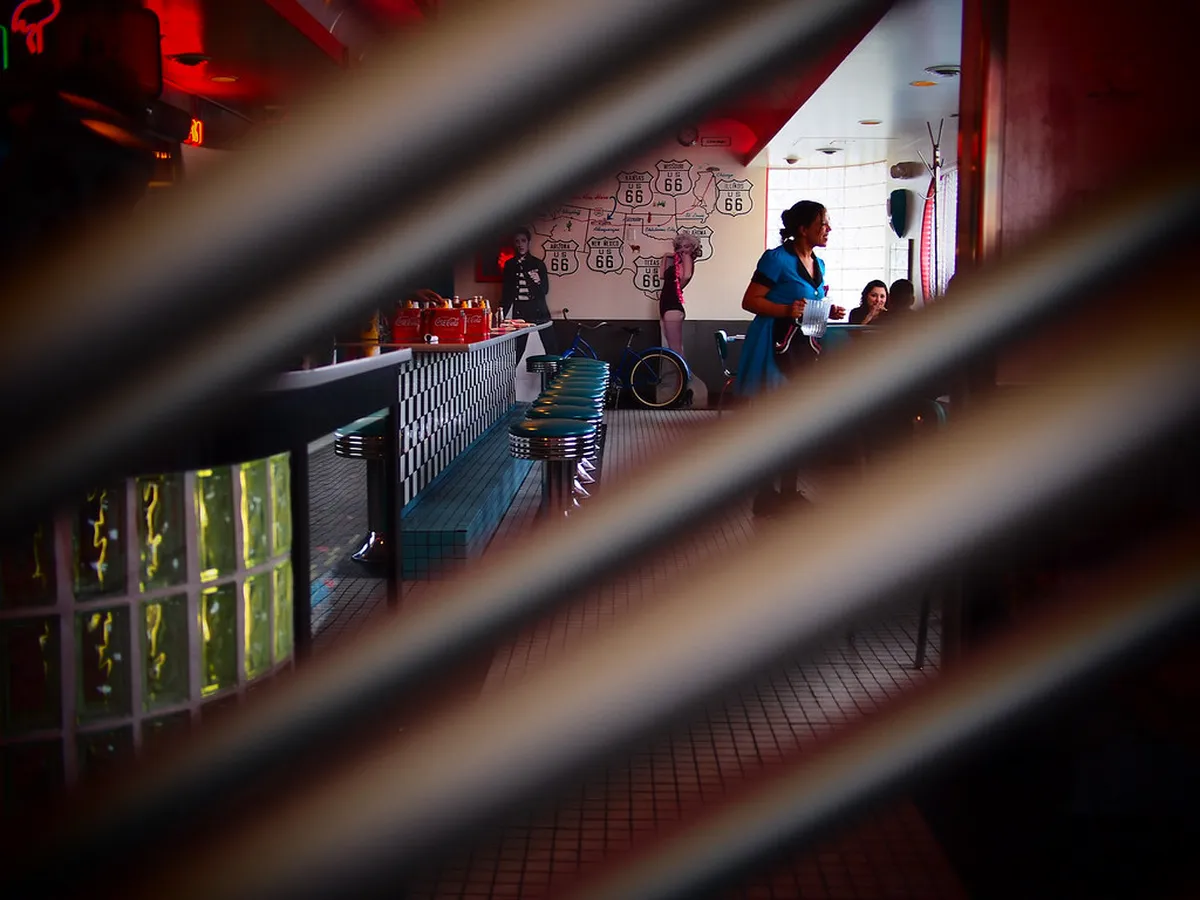
Central Avenue follows the original alignment of Route 66 through Albuquerque for 18 miles — the longest continuous urban stretch of the Mother Road in the United States. In 2026 this stretch carries extra significance as the country marks the Route 66 Centennial, and Albuquerque is hosting celebrations throughout the year. New murals and art installations have gone up along Central Avenue, and a Route 66 Summerfest in the Nob Hill neighborhood brings music, food, and markets to the district during summer months. Check the Route 66 Centennial events page for the current schedule.
The KiMo Theatre at 423 Central Ave NW is the architectural highlight of the strip — a 1927 Pueblo Deco movie palace decorated with Native American motifs that was once listed as one of the most endangered historic buildings in the country before its restoration. Exterior views and photographs are free; show tickets vary by event. The Dog House Drive-In a few blocks east has been serving chili-smothered hot dogs since the 1950s and appeared in Breaking Bad — it costs a few dollars and is the best Route 66 dining stop on the strip.
Albuquerque is one of only a few cities where Route 66 crossed itself after two different routing decisions, meaning you can literally stand at the intersection of Route 66 and Route 66. The intersection of 4th Street and Central Ave marks the spot. Use this guide for finding historic Route 66 landmarks along the full 18-mile run.
Outdoor Sightseeing: Bosque and Sandia Foothills
The Paseo del Bosque Trail runs 16 miles through the cottonwood forest lining the Rio Grande, connecting the north and south edges of the metro area on a paved path shared by cyclists, runners, and walkers. Access is free and the trail is open from dawn to dusk. In autumn the cottonwoods turn a vivid gold and the Bosque becomes one of the most photographed landscapes in New Mexico. The Rio Grande Nature Center State Park sits partway along the trail and is worth a short detour for bird watchers — the hummingbird feeders alone attract serious wildlife photographers.
Elena Gallegos Open Space at the base of the Sandia Mountains offers a different outdoor experience: rugged foothills hiking with the city spread below. Parking costs $1 on weekdays and $2 on weekends, with the gate closing at 19:00. The Cottonwood Springs trail is the gentlest route and leads to a small hidden pond that most first-timers never find. Arrive before 17:00 for the best light on the Sandia granite face above.
Culinary Sightseeing: Chile, Craft Beer, and Rooftop Views
Eating in Albuquerque is a sightseeing activity in its own right. New Mexican cuisine is built around the state vegetable — chile — and the correct way to order at any local restaurant is "Christmas style," meaning both red and green chile on the same plate. This is not a novelty option; it is the standard local order, and restaurants expect you to ask for it. A breakfast burrito ordered Christmas style at a neighborhood spot like Golden Pride on Central Ave gives you the full picture of what makes New Mexico's food culture distinct from every other Southwestern state.
In the fall, green chile roasting season fills the city with an aroma that functions as a form of olfactory tourism — roasters set up in grocery store parking lots and the smell drifts for blocks. The green chile cheeseburger is the other essential stop, and a dedicated Green Chile Cheeseburger Trail links participating restaurants across the city. The Indian Pueblo Cultural Center's on-site kitchen makes the best version of blue corn dishes in town and is worth a standalone meal visit separate from the museum tour.
For evening sightseeing, the craft brewery scene is a genuine draw. Marble Brewery's rooftop bar on Broadway has open city views and multiple award-winning beers on tap. The Apothecary Lounge at Hotel Parq Central — a 1926 railroad hospital converted to a boutique hotel — sits a few floors above the roofline of most surrounding buildings and offers the best sunset view in the city that does not require a tramway ticket. Order a green chile margarita, watch the Sandia Mountains shift from tan to pink to red as the sun drops, and you have done Albuquerque properly.
How to Plan Your Albuquerque Sightseeing Itinerary
A well-structured Albuquerque itinerary should group attractions by geographic quadrant to minimize driving time. Spend your first morning at the Sandia Tramway (go early before afternoon clouds build over the peak), then use the afternoon for Old Town and the adjacent museum district. On day two, visit the Indian Pueblo Cultural Center in the morning and Petroglyph National Monument in the late afternoon when the angle of the sun lights up the carvings more dramatically. Day three works well for the BioPark and a Bosque bike ride.
Most major museums are closed on Mondays, which makes it the natural day for outdoor hiking, Route 66 wandering, or driving out to Petroglyph National Monument. Traffic on I-25 and I-40 runs heavy during the 07:00–09:00 and 17:00–19:00 windows — plan to be at your sunset destination before 17:30. Nob Hill along Central Ave offers walkable dinner options after an evening on the Route 66 strip. Check the best food in Albuquerque guide for specific red and green chile spots near each sightseeing zone.
Best Time to Visit Albuquerque for Sightseeing
Spring (March through May) and fall (September through November) offer the ideal combination of mild temperatures, low humidity, and uncrowded attractions. October is the most dramatic month: the International Balloon Fiesta runs for nine days in early October and draws more than 500 balloons and 800,000 visitors, followed by the Sandia Mountains shifting to full autumn color. Book accommodation six months ahead if your dates touch the Fiesta window — hotels fill completely and rates double.
Summer runs hot in the valley (mid-30s°C / mid-90s°F by afternoon) but the monsoonal storms that roll in daily from mid-July through September are spectacular and often come with rainbows over the Sandia ridge. The Tramway is best avoided in peak summer afternoon heat; go at opening (09:00) or the final evening tram. Winter is mild and sunny by most standards, with nearby Sandia Peak Ski Area offering a surreal experience of skiing above a desert city.
In 2026 the Route 66 Centennial adds a layer of programming to the shoulder seasons that makes spring and early fall particularly strong times to visit. The Summerfest in Nob Hill and the art installation openings along Central Ave are timed to avoid the brutal summer heat, so late May and late September are the sweet spots this year.
Practical Tips for High-Altitude Sightseeing
Albuquerque sits at an average elevation of 5,312 feet, which is enough to cause mild altitude sickness for sea-level visitors. Drink twice as much water as usual to stay hydrated in the thin, dry desert air. Symptoms like headaches or shortness of breath are common during the first 24 hours and typically ease without any intervention beyond rest and hydration.
Sun protection is non-negotiable because the UV index runs significantly higher at this elevation. Apply sunscreen every two hours even on overcast days — high-altitude burns feel delayed and then arrive all at once. A wide-brimmed hat and polarized sunglasses make outdoor sightseeing measurably more comfortable. Alcohol tolerance also drops at altitude; one drink feels closer to two. Pace yourself at the craft breweries and always have a full glass of water between rounds.
Physical exertion feels harder than expected for the first day or two. Take frequent breaks when hiking the Petroglyph trails or the Sandia foothills, start early before the midday heat, and carry more water than you think you need. Most visitors underestimate the combination of elevation, sun, and dry air and spend their second afternoon less mobile than planned.
Frequently Asked Questions
Is the Sandia Peak Tramway worth the high ticket price?
The Sandia Peak Tramway is definitely worth it for the 11,000-square-mile views and unique geological perspectives. Most visitors find the sunset trip provides the best value for photography. Just remember to book your timed entry well in advance.
What is the best way to get around for Albuquerque sightseeing?
Renting a car is the most efficient way to see the spread-out attractions like the Petroglyphs and the Tramway. While the ART bus system serves Central Avenue, it does not reach many of the best outdoor spots. Parking is generally affordable throughout the city.
How much time should I plan for Albuquerque sightseeing?
A three-day trip allows you to cover the major highlights like Old Town, the Tramway, and two museums. If you want to include day trips to Santa Fe or hiking, plan for five days. This pace prevents altitude exhaustion and allows for leisurely meals.
Albuquerque is a city that rewards those who look past the surface to find its deep cultural roots. From the heights of the Sandias to the ancient carvings of the West Mesa, there is a story at every turn. By following this guide, you can navigate the high altitude and vast geography like a seasoned local.
I hope your 2026 visit is filled with vibrant sunsets and the spicy aroma of roasting green chiles. Be sure to check our other Albuquerque tourist attractions guides for more specific neighborhood recommendations. Safe travels and enjoy the unique magic of the Land of Enchantment.