10 Best Albuquerque Tourist Attractions (2026)
Plan your trip with the top albuquerque tourist attractions. Discover historic Old Town, Sandia Peak, and cultural gems with our expert 2026 guide.
On this page
10 Best Albuquerque Tourist Attractions (2026)
New Mexico's largest city sits at 5,312 feet in the Rio Grande valley, flanked by the Sandia Mountains on one side and ancient volcanic mesas on the other. That geography shapes everything here — from the light quality that obsesses painters to the altitude headaches that catch first-timers off guard. Albuquerque is one of the most geographically dramatic cities in the United States, and its tourist attractions span 1,000 years of layered history in a compact, drivable area.
This guide covers the essential stops for any visit in 2026. We have included current admission prices, opening hours, and practical logistics for each site. Whether you are planning a albuquerque itinerary over a long weekend or a full week, the attractions below will anchor your days.
Albuquerque rewards visitors who stay curious beyond the obvious marquee sites. The city's Native American, Spanish colonial, and Route 66 heritage layers often occupy the same block, making even a short walk through the older neighborhoods a discovery-rich experience.
Things To Do In Albuquerque
Albuquerque offers a more varied menu of activities than most visitors expect from a mid-size Southwest city. On any given day you can ride a cable car to a 10,378-foot summit, walk through a 300-year-old Spanish colonial plaza, and watch ancient petroglyphs catch the late-afternoon light — all within 30 miles of each other. The city's core attractions divide cleanly into cultural institutions, outdoor sites, and the festivals that draw visitors from across the world.
Budget-conscious travelers benefit here. Several of the most impressive sites are free or under $10 per adult. The albuquerque attractions that charge premium admission — the Sandia Peak Tramway, the BioPark — consistently deliver experiences worth the price. Planning your days around geographic clusters saves driving time: Old Town, the Natural History Museum, and the Indian Pueblo Cultural Center form a tight triangle on the northwest side of the city that can easily fill a morning and afternoon.
Renting a car is strongly recommended. The city is spread across a wide valley, and the most compelling sites are not walkable between each other. The Rapid Ride ART bus covers the Central Avenue corridor well, but it does not reach the West Mesa, Balloon Fiesta Park, or the Sandia Tram base.
Discover the Historic Old Town
Albuquerque's Old Town was founded in 1706 and served as the city's center for more than 150 years. The original street grid is still intact, and the low adobe walls along the narrow lanes absorb heat during the day and release it slowly after dark. The San Felipe de Neri Church, dating to 1793, anchors the north side of the plaza and is one of the oldest continuously operating churches in New Mexico.
The district covers roughly ten square blocks and is free to enter and walk. Most shops and galleries open by 10:00 and close around 18:00, though some restaurants stay open later. The Albuquerque Museum on the district's edge charges $7 for adults and hosts an excellent permanent collection covering four centuries of regional history — worth 90 minutes on its own.
Skip the first ring of souvenir shops immediately facing the plaza and walk instead to the back streets behind the church. Small courtyard galleries sell work by local artists at reasonable prices. The hidden garden patios tucked behind Romero Street are quiet escapes that most day-trippers never find. Parking is available in the Old Town lot off Rio Grande Boulevard NW for a flat daily fee, or take the Rapid Ride D from Downtown.
Immerse Yourself in Native American Culture at Indian Pueblo Cultural Center
The Indian Pueblo Cultural Center, at 2401 12th Street NW, is owned and operated collectively by the 19 Pueblos of New Mexico — a distinction that matters. This is not a government museum interpreting Pueblo culture from outside; the Pueblo people control the narrative, the collections, and the programming. Admission runs $12 to $15 for adults, with free entry for children under 5. Hours are Tuesday through Sunday, 09:00 to 16:00.
The permanent exhibits trace Pueblo history from pre-contact times through the 1680 Pueblo Revolt and into the present day. The pottery and textile collections are genuinely world-class. The courtyard hosts traditional dance performances most weekend mornings — check the calendar on the center's website before you visit, since schedules vary by month and Pueblo group.
The on-site restaurant serves dishes based on traditional Pueblo ingredients: blue corn, posole, and fry bread prepared with recipes sourced from community elders. It is one of the most authentic dining experiences in the city and is often underused by tourists who eat elsewhere and return just for the museum. Budget two to three hours for a thorough visit. The gift shop is extensive and sells authenticated work directly from Pueblo artisans, with clear provenance — a meaningful contrast to generic tourist shops in Old Town.
Explore the Sandia Peak Tramway
The Sandia Peak Aerial Tramway is the longest aerial tramway in the Americas, covering 2.7 miles from the base at 6,559 feet to the crest at 10,378 feet. Adult tickets cost $30 to $39 depending on the session, and the tram runs daily from 09:00 to 20:00 in summer, with adjusted hours in winter. The base is at 30 Tramway Road NE, approximately 20 minutes from Downtown by car.
The 15-minute ride crosses two different vegetation zones. You leave the high desert scrub at the base and emerge into a dense spruce-fir forest at the summit. On a clear day, which is most days in Albuquerque, the views extend 11,000 square miles across four states. The temperature differential between the city floor and the crest regularly reaches 20 degrees Fahrenheit — dress accordingly even in July.
Hiking trails at the summit connect to Cibola National Forest and range from easy half-mile walks along the ridge to strenuous descents back toward the city. The Sandia Peak Ski Area operates lifts in winter from the east side of the mountain (accessible by road through Cedar Crest), offering a different perspective on the same terrain. Buy tram tickets online in advance during summer weekends — the 10:00 to 14:00 window sells out regularly. If you arrive without a reservation, try the first session at 09:00 or the last full run before 18:00.
Marvel at the Petroglyph National Monument
Petroglyph National Monument preserves more than 25,000 rock carvings along a 17-mile escarpment on Albuquerque's West Mesa. The carvings span 400 to 700 years, with most made by ancestral Pueblo peoples and a smaller number by early Spanish settlers. The National Park Service manages the site with free entry; individual canyon parking areas charge $1 to $3 on weekdays and $2 to $5 on weekends.
Three main hiking areas provide distinct experiences. Boca Negra Canyon, off Unser Boulevard NW, has the densest concentration of easily visible petroglyphs and paved trails — best for families or visitors with limited mobility. Piedras Marcadas Canyon is longer and less crowded, better for those who want more solitude. Rinconada Canyon requires a 2.2-mile round trip and rewards patient hikers with some of the most elaborate carvings on the escarpment.
The monument is open from 08:30 to 16:30 daily. Visit in the morning when the carvings face east and the light is low and raking — the petroglyphs are dramatically easier to read in early-morning light than at midday. Carry at least a liter of water per person. The West Mesa has almost no shade, and the dark basalt surface intensifies the heat even in spring and fall. Coyotes, roadrunners, and mule deer are regularly spotted along the trails.
Visit the Albuquerque International Balloon Fiesta
The Albuquerque International Balloon Fiesta is the largest hot air balloon festival in the world, held for nine consecutive days each October at Balloon Fiesta Park (4401 Balloon Museum Drive NE). In 2026, the event is expected to feature more than 500 balloons from over 20 countries. General admission runs around $15 per session; parking is tight, and the dedicated Park-and-Ride shuttle from the Bernalillo County Courthouse is by far the most reliable way to arrive without losing an hour to traffic.
The festival has three must-see event types, each requiring a different arrival strategy. The Mass Ascension launches happen around 07:00 — hundreds of balloons inflate and lift off within a 90-minute window. The Dawn Patrol, where a small group of specially lit balloons launches in darkness before sunrise, begins around 05:30 and is far less crowded than the main mass ascensions. The Special Shape Rodeo, typically held mid-week, showcases novelty balloons shaped like animals, cartoon characters, and objects — the most photographed event of the fiesta and worth planning around specifically.
If you cannot visit in October, the Anderson Abruzzo Albuquerque International Balloon Museum sits adjacent to the park and offers year-round context on ballooning history and science. Admission there is $3 to $6. The museum's rooftop terrace overlooks the launch field and is a useful orientation point even outside fiesta season.
Discover the New Mexico Museum of Natural History and Science
The New Mexico Museum of Natural History and Science, at 1801 Mountain Road NW in Old Town, is one of the most underrated natural history institutions in the Southwest. Entry costs $5 to $8 for adults; the museum is open daily from 09:00 to 17:00. The proximity to Old Town makes it a logical pairing — the two are four minutes apart on foot.
The museum's strength is its focus on the natural history of the Colorado Plateau and the surrounding region. Dinosaur exhibits include Seismosaurus, a species discovered in New Mexico, alongside the most complete Pentaceratops skull in the world. The Evolator ride simulates a descent through geological time using imagery calibrated to the actual strata visible in the Sandia and Jemez Mountains nearby — a clever localization that most natural history museums lack.
The Lodestar Astronomy Center operates a digital planetarium with rotating shows throughout the day; popular shows on weekends fill up, so check the board at the front desk immediately upon arrival. The museum also covers the atomic age in New Mexico through exhibits on Los Alamos and Trinity Site that complement a visit to the nearby National Museum of Nuclear Science and History on the city's east side.
ABQ BioPark: The Rio Grande Connector Most Visitors Miss
The ABQ BioPark combines a zoo, aquarium, and botanic garden into a single admission system, but the four facilities are spread across two locations. The zoo and aquarium share a site at 2601 Central Avenue NW; the Botanic Garden and Tingley Beach are nearby along the Rio Grande. Most visitors drive between the two clusters. What almost no one mentions — and no competitor page covers — is that a narrow-gauge heritage train, the Rattlesnake to Roadrunner Express, connects all four facilities for a flat $3.50 round-trip ticket purchased at any BioPark entrance.
The train runs on a 1.25-mile route along the Rio Grande bosque and is the most practical option for families with strollers, visitors with mobility limitations, or anyone who simply wants a 10-minute riverside ride between stops. The train schedule runs roughly every 30 minutes between 10:00 and 16:00. It is not a roller coaster or an amusement ride — it is a functional transit link through the cottonwood forest, but the riverside views and wildlife sightings (great blue herons, cormorants, and the occasional coyote) make it a genuine attraction in itself.
Single-facility admission is $10 to $22; combo tickets covering all four facilities are $22 to $30 for adults and represent good value if you plan to spend a full day. The zoo holds over 250 animal species. The aquarium features a 285,000-gallon ocean tank with sharks. The Botanic Garden's Desert Collection is the most thorough display of Chihuahuan Desert flora in any public garden.
Museums, Art, and Culture in Albuquerque
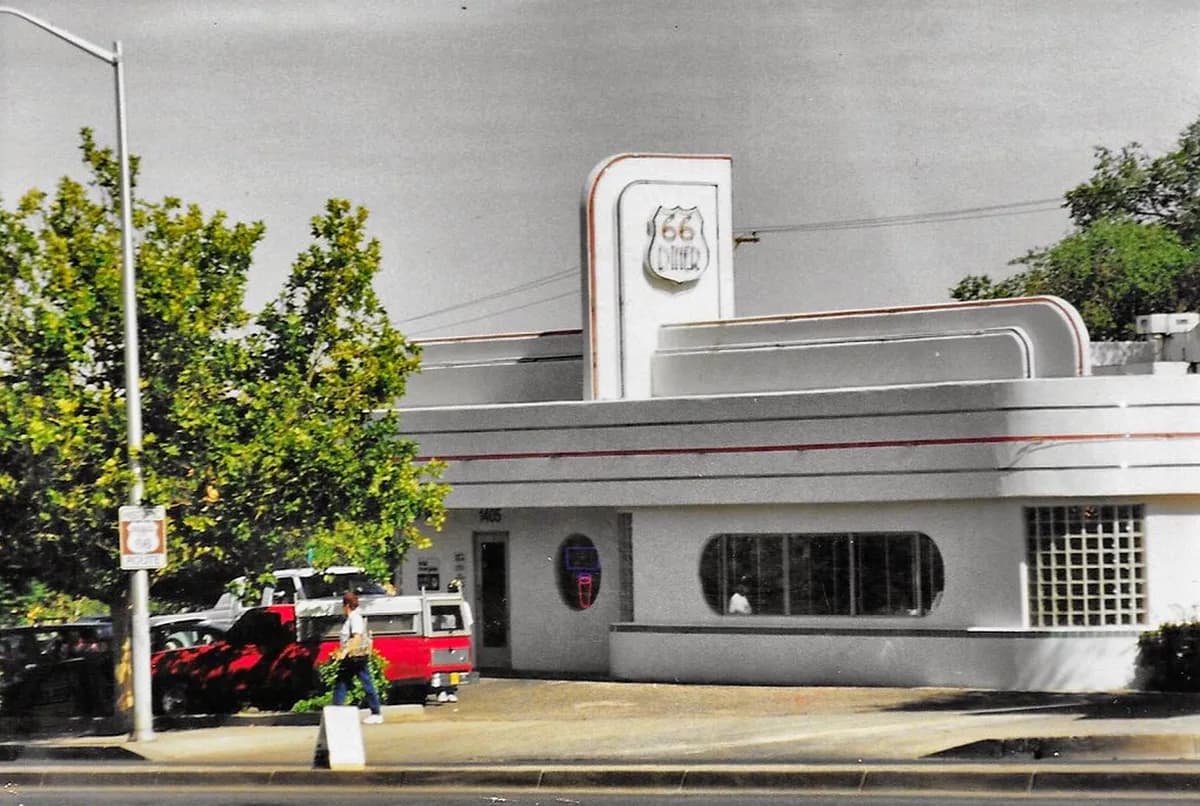
Beyond the anchor institutions, the city has a dense arts infrastructure concentrated in two districts. The Nob Hill neighborhood along Central Avenue (Route 66) hosts independent galleries, live music venues, and the Hiland Theater. The Barelas neighborhood to the south contains the National Hispanic Cultural Center, whose four-acre campus showcases Hispanic art and performance through rotating galleries and a 4,000-square-foot concave fresco by Frederico Vigil — one of the largest of its kind in North America. Gallery admission is $7; grounds access is free, 10:00 to 16:00 Tuesday through Sunday.
Public art is embedded in the urban fabric in a way that rewards walking rather than driving. The Downtown murals on Gold Avenue and Coal Avenue include works by internationally exhibited artists alongside pieces commissioned from local Albuquerque artists. The Albuquerque Sunport (the airport) houses a permanent collection of over 400 New Mexico artworks — worth 20 minutes if you have time before your flight.
The albuquerque hidden gems of the cultural scene are the smaller community museums: the Turquoise Museum on Central Avenue (admission $15 to $20, open 10:00 to 16:00) offers guided tours that teach visitors to distinguish natural, stabilized, and synthetic turquoise — genuinely useful if you plan to shop for jewelry. The Maxwell Museum of Anthropology on the UNM campus is free and specializes in Southwest archaeology with serious depth.
Parks, Gardens, and Outdoor Spots in Albuquerque
The Rio Grande Bosque is a 10-mile linear cottonwood forest running through the city. Paved trails and unpaved soft-surface paths both run the length of it, making it accessible to cyclists, runners, and casual walkers alike. The Valle de Oro National Wildlife Refuge, at the southern edge of the bosque, opens sunrise to sunset and hosts over 200 bird species annually. It is one of the most productive urban birding sites in the Southwest, particularly during the sandhill crane migration in November and December.
The Sandia Mountain wilderness east of the city provides year-round hiking from multiple trailheads. La Luz Trail is the classic route — a strenuous 8-mile one-way ascent from the base to the crest — but shorter options like Tree Spring and Embudito are suitable for moderate hikers. Cibola National Forest wraps around the Sandia range and adds additional trail networks accessible from Cedar Crest and Tijeras Canyon on the mountain's eastern side.
Elena Gallegos Picnic Area on the city's northeast edge offers easy sandstone trail walks with panoramic views of the urban grid below and is particularly photogenic at golden hour. The Jemez Mountains, 45 minutes northwest by car, provide a cooler alternative in summer with access to hot springs at Jemez Springs (free, though the road can be busy on weekends), ancient ruins at Bandelier National Monument, and the Valles Caldera National Preserve.
Family-Friendly and Budget-Friendly Options in Albuquerque
Albuquerque is unusually affordable for a major western US city. Several of its best attractions are free or cost under $10 per adult, and most sites have reduced pricing for children under 12. Petroglyph National Monument, the Rio Grande bosque trails, and the Valle de Oro refuge are all free to enter. Old Town is free to walk. The Anderson Abruzzo Balloon Museum is $3 to $6 — an excellent rainy-day option for children interested in science.
Explora Science Center and Children's Museum, at 1701 Mountain Road NW adjacent to the Natural History Museum, is the top dedicated family venue in the city. Admission is $8 to $10, and the hands-on exhibits cover physics, engineering, and art. The water-play section is particularly popular with children under 10. Explora and the Natural History Museum share a block, so combining both into a single morning is efficient and covers the Old Town cluster in one trip.
For families managing meal costs, the Old Town area has a mix of price points. The Indian Pueblo Cultural Center restaurant is moderately priced and kid-friendly. Taco stands along Central Avenue (Route 66) offer filling meals under $10. Green chile cheeseburgers, the unofficial regional dish, are available at dozens of restaurants and diners across the city at prices far below comparable casual dining in Denver or Phoenix.
How to Plan a Smooth Albuquerque Attractions Day
Altitude is the first thing to address. At 5,312 feet, Albuquerque sits roughly 1,000 feet higher than Denver's baseline. First-time visitors frequently underestimate the dehydration and fatigue that comes with the elevation, especially in summer when temperatures regularly reach 35°C (95°F). Drink water before you feel thirsty, and budget for shorter walking stretches than you would in a coastal city.
A logical three-day cluster approach works well. Day one: Old Town, Natural History Museum, and Indian Pueblo Cultural Center (all within a 2-mile radius on the northwest side). Day two: Sandia Peak Tramway in the morning (cooler air, fewer crowds), Petroglyph National Monument in the late afternoon (west-facing light is best after 15:00). Day three: ABQ BioPark as a full day, or the Balloon Fiesta if you are visiting in October. You can find a detailed route in our albuquerque itinerary guide.
Book Sandia Peak Tram tickets online at least 24 hours ahead during summer. The is albuquerque safe question comes up often — the answer depends heavily on the neighborhood. Old Town, Nob Hill, the Northeast Heights, and the North Valley are all low-concern areas for tourists. The International District and some sections of Central Avenue near Downtown have higher property crime rates; keep your car empty and locked when parked. Weather changes fast — afternoon thunderstorms are common from July through September and can arrive within 20 minutes of clear sky. Always carry a light layer.
Frequently Asked Questions
What is the best month to visit Albuquerque?
October is the best month to visit because of the International Balloon Fiesta and comfortable temperatures. Fall offers clear blue skies and the delicious aroma of roasting chiles throughout the city.
How many days do you need in Albuquerque?
Three full days allow you to see the major attractions like Old Town and the Sandia Peak Tramway. A longer stay is better if you plan to take day trips to nearby Santa Fe.
Is Albuquerque a walkable city?
Old Town and the Downtown core are walkable, but you will need a car for most other attractions. The city is quite spread out across the high-desert mesa and valley floor.
Albuquerque is a city of contrasts that rewards the curious traveler with its deep history and stunning landscapes. From the heights of the Sandia Mountains to the ancient carvings at Petroglyph, there is something for every interest. The local culture and cuisine provide an experience that is uniquely New Mexican and entirely unforgettable.
Pack your sunscreen, stay hydrated, and prepare to fall in love with the high-desert charm of the Duke City. Whether you are visiting in 2026 or beyond, these attractions offer the perfect introduction to the Land of Enchantment.
See our Albuquerque things to do guide for the broader city overview.
 11 Best Albuquerque Hidden Gems to Visit (2026)May 16, 2026