
Amsterdam Red Light District: Complete Guide to De Wallen
Explore the Amsterdam Red Light District (De Wallen) with our expert guide. Includes essential do's and don'ts, safety tips, history, and how to visit respectfully.
On this page
Amsterdam Red Light District: Complete Guide to De Wallen
Amsterdam is famous for many things, but few areas attract as much curiosity as the historic city center. Known locally as De Wallen, this neighborhood serves as the oldest part of the Dutch capital. You will find a fascinating mix of medieval architecture, narrow alleys, and glowing red windows.
Visiting the amsterdam red light district requires a balance of curiosity and deep respect for the local community. Many travelers arrive with misconceptions about what they will see behind the iconic glass panels. This guide provides the essential facts you need for a safe and insightful visit. For more on this, see Prostitution Information Center.
What is the Amsterdam Red Light District (De Wallen)?
De Wallen is the proper Dutch name for the most famous district in the city. It originated in the 14th century when the area sat near the busy harbor docks. Sailors arriving after long voyages created a demand for various types of entertainment. The name itself refers to the historic earthen walls that once protected the city. For more on this, see Amsterdam Museum.
Prostitution became legal in the Netherlands in 2000, though it has been tolerated for centuries. The government regulates the industry to ensure health standards and worker safety are strictly maintained. You will see workers standing behind windows marked by distinctive red neon lights. These lights signify that the professional is currently available for clients.
Exploring Amsterdam Culture: 12 Unique Experiences to Explore often means looking beyond the surface of this controversial industry. The district is also home to families, businesses, and historic monuments that predate the sex trade. Residents share these narrow streets with millions of tourists every single year. Maintaining a respectful attitude helps preserve the unique social fabric of this neighborhood.
Modern changes in city policy aim to reduce the impact of mass tourism on the area. Local officials have introduced new rules to limit overcrowding and disruptive behavior in the alleys. Understanding these nuances helps you appreciate the district as a complex living environment. It remains one of the most unique urban experiments in the modern world.
Where is the Red Light District Located?
Finding the district is relatively easy if you look for the Oude Zijds Voorburgwal canal. This waterway acts as the central spine for the most active parts of De Wallen. Most visitors enter the area from the direction of the main train station. The neighborhood sits just a short walk from the famous Dam Square.
Be careful when using digital navigation tools to find the exact heart of the district. A common "Google Maps trap" often leads tourists to the wrong side of the city center. Instead, navigate toward the historic Amsterdam Landmarks: 12 Essential Sites to Visit like the Old Church to find the main hub. Using the Dutch name De Wallen in your search often yields more accurate results.
The neighborhood is bordered by Warmoesstraat to the west and the Zeedijk area to the east. These streets offer a variety of shops, bars, and restaurants that cater to every budget. Walking through these alleys reveals the true medieval layout of the original city. You will notice the buildings are some of the oldest and narrowest in Amsterdam.
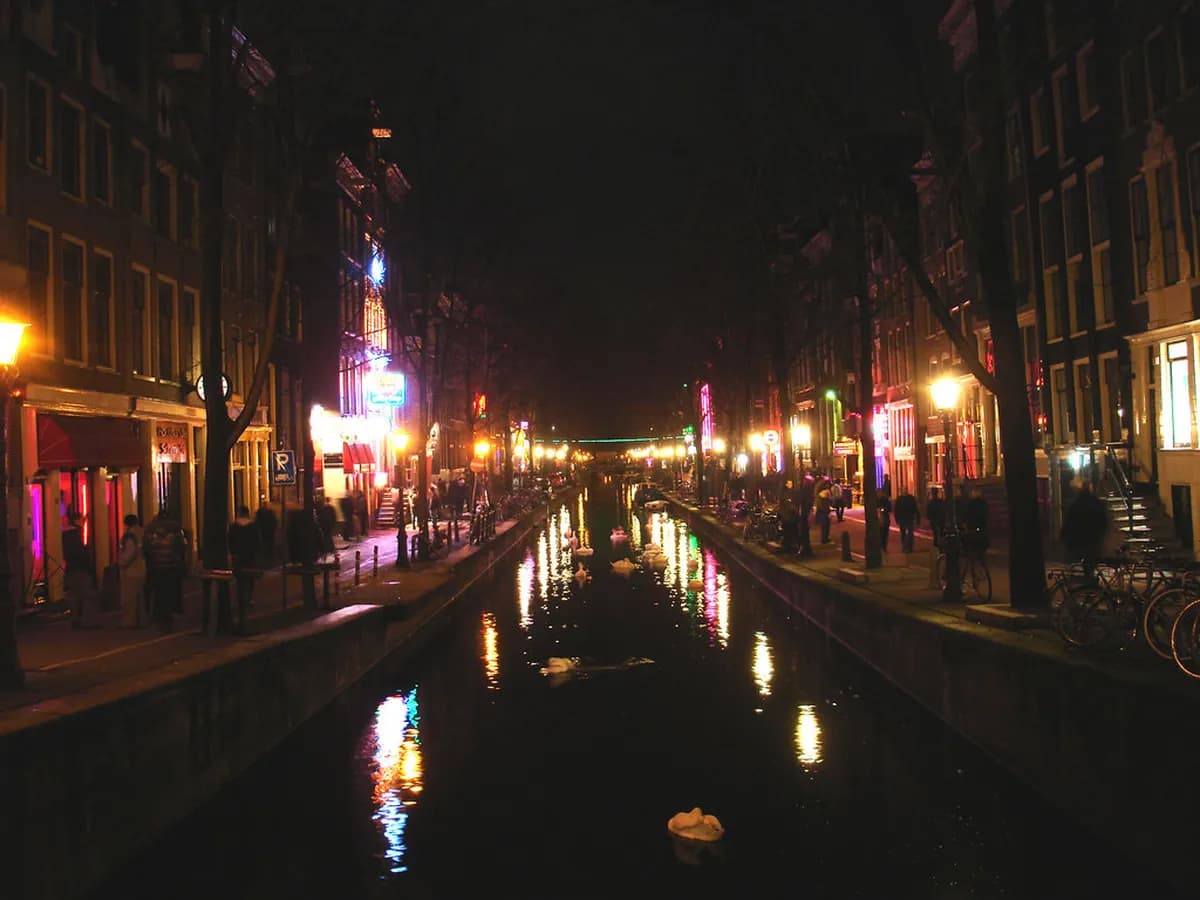
Look for the red neon lights reflecting in the canal water as night falls. This visual marker is the easiest way to identify that you have reached the core area. Smaller side streets often hold hidden gems that most tourists miss during their first visit. Keep your bearings by following the flow of the main canal paths.
Essential Do’s and Don’ts for Visitors
The most important rule in De Wallen is that you must never take photos of the windows. This policy protects the privacy and safety of the workers who are performing their jobs. Security guards or workers may react strongly if they see a camera pointed at them. Keep your phone in your pocket while walking through the narrowest parts of the district.
Respect the local residents by keeping noise levels low while you explore the narrow side streets. Remember that this is a living neighborhood where people go to sleep and raise their children. Avoid shouting or disruptive behavior, especially during the late night hours. Locals appreciate visitors who treat their home with the same care as any other residential area.
Public consumption of alcohol is strictly prohibited in many parts of the district to prevent rowdy crowds. Police frequently issue fines to tourists who ignore the clearly posted signs about drinking on the street. Stick to the licensed Amsterdam Nightlife: Your Ultimate Guide to Fun venues to enjoy your drinks safely. These bars offer a great atmosphere without the risk of legal trouble or heavy fines.
Organized group tours are subject to strict regulations and size limits within the district. If you join a tour, ensure the operator follows all local guidelines and permit requirements. Small groups are generally preferred to avoid blocking the narrow pedestrian walkways. Staying mindful of your surroundings ensures everyone can enjoy the area comfortably.
Top Things to See and Do in De Wallen
The Oude Kerk stands as the oldest building in the city and sits right in the center of the district. It creates a striking contrast between the religious site and the surrounding red-lit windows. Visit the Oude Kerk Official Site to check current exhibition times and ticket prices. The church often hosts modern art installations that interact with its historic architecture.
For a deeper look into the history of the area, visit the Red Light Secrets museum. This attraction offers a unique perspective on the daily lives of sex workers in the city. It aims to educate the public while removing the stigma often associated with the profession. You can even see what it looks like from behind one of the famous windows.
You might also enjoy visiting the various 8 Essential Things to Know About Amsterdam Coffee Shops located throughout the neighborhood. These establishments have their own specific rules regarding entry and the purchase of legal products. Always bring a valid ID if you plan to enter any of these venues. Staff members are usually happy to explain the local regulations to curious visitors.
The Sexmuseum Amsterdam is another popular stop located near the entrance of the district. It houses a vast collection of erotic art and historical artifacts from around the world. This museum provides a more lighthearted and historical view of human sexuality. It is a great way to spend an hour before heading deeper into the canals.
How to Get to the Red Light District
Most visitors choose to walk to the district from Amsterdam Central Station. The journey takes roughly ten minutes if you follow the main Damrak thoroughfare toward the center. This route provides a great introduction to the busy atmosphere of the city. You will pass several historic buildings and canal views along the way.
Trams also stop nearby at the Dam square or Nieuwmarkt stations for those coming from further away. If you are following a specific amsterdam 3-day itinerary, you can easily slot this visit into an evening. Public transport is efficient and runs frequently until late at night. Check the local transit app for real-time updates on schedules and platform changes.
Cycling is a popular way to reach the edge of the district, but riding inside can be difficult. The narrow streets are often packed with pedestrians, making it safer to walk your bike. Find a designated bike rack nearby to secure your cycle before exploring on foot. Biking provides a fast way to move between different neighborhoods throughout the day.
Avoid driving a car into this part of the city due to extremely limited parking. The streets are mostly pedestrianized and very difficult to navigate for motor vehicles. Use the Park and Ride facilities on the outskirts of the city for a stress-free trip. This saves you money on high parking fees while keeping the city center clear.
Best Time to Visit and Safety Tips
Visiting during the day offers a much calmer experience for those who want to see the architecture. The streets are less crowded, and you can appreciate the historical details of the canal houses. It feels like a standard European old town during the morning hours. This is the best time to take photos of the canals and historic facades.
The atmosphere shifts significantly once the sun goes down and the neon lights begin to glow. Crowds become much denser, and the energy of the area increases as the bars fill up. Stay alert for pickpockets who often target distracted tourists in these busy crowds. Keep your valuables secure in a front pocket or a zipped bag at all times.
If you are exploring the Amsterdam Neighborhoods Guide: 9 Best Areas, you will notice that safety is a top priority here. Solo female travelers generally find the area safe due to the heavy police presence and constant crowds. However, always ignore street dealers who may offer illegal substances in the dark alleys. Stick to legal establishments to ensure you are consuming safe and regulated products.
Weekends are significantly busier than weekdays, with much larger crowds of party-goers. Consider visiting on a Tuesday or Wednesday for a more relaxed and manageable experience. The district is open every day, so you can choose the timing that fits your comfort level. Early evening often provides the best balance of atmosphere and manageable crowd levels.
- Morning visit characteristics
- Atmosphere: Quiet and peaceful
- Crowds: Very low density
- Best for: Historical photography
- Safety: Extremely high
- Evening visit characteristics
- Atmosphere: High energy
- Crowds: Very high density
- Best for: Neon lights
- Safety: Watch for pickpockets
Where to Stay Near the Red Light District
Staying directly in De Wallen puts you in the heart of the action and near many attractions. However, the constant noise from the street can make it difficult to get a quiet night of sleep. Consider the trade-offs between convenience and comfort before booking your room. Many hotels in this area occupy beautiful historic buildings with steep, narrow stairs.
Many travelers find better value by looking for hotels just a few blocks away from the main canals. This allows you to visit the district easily while enjoying a more peaceful environment at night. It is a great strategy for those visiting Amsterdam on a Budget: 10 Essential Money-Saving Tips who still want a central location. Search for accommodations near the Jordaan or the Plantage district for a quieter stay.
Boutique hotels and hostels are plentiful in the streets surrounding the district. These venues often provide local tips and organized social events for their guests. Booking in advance is essential during the peak summer months and holiday seasons. Prices can fluctuate significantly based on the time of year and local events.
Check recent reviews to ensure the hotel has adequate soundproofing if you choose a central spot. Some modern hotels offer high-tech features to block out the sounds of the nightlife below. A good night of rest is vital for enjoying the rest of your Amsterdam adventure. Plan your stay carefully to make the most of your time in the city.
Frequently Asked Questions
Is the Amsterdam Red Light District safe at night?
The district is generally very safe due to a heavy police presence and constant crowds. However, visitors should remain alert for pickpockets and ignore street dealers offering illegal substances. It is one of the most monitored amsterdam nightlife areas in the city.
Can you take photos in the Red Light District?
Photography of the workers in the windows is strictly forbidden and can lead to confrontation or the confiscation of your device. You may take photos of the canals and architecture, but always keep your camera away from the red-lit windows to respect the privacy of the workers.
What is the best time to visit De Wallen?
For historical architecture and quiet streets, visit during the morning or early afternoon hours. If you want to see the iconic neon lights and experience the high-energy atmosphere, arrive after sunset. Weekdays are typically less crowded than busy Friday and Saturday nights.
Why is it called the Red Light District?
The name comes from the red neon lights used by sex workers to signal that they are open for business. Historically, red lanterns were used in port cities to attract sailors to these areas. Today, the red glow is the defining visual characteristic of the De Wallen neighborhood.
Are there tours of the Amsterdam Red Light District?
Yes, many companies offer guided walking tours that explain the history and regulations of the area. However, the city has implemented strict rules on group sizes and locations to protect the local residents. Ensure your tour guide is licensed and follows all municipal guidelines during the visit.
The Amsterdam Red Light District is a place of deep history and modern complexity. Visiting with an open mind and a respectful attitude ensures a better experience for everyone. You will leave with a greater understanding of the city's unique approach to social tolerance.
Remember to follow the local rules and prioritize safety while you explore the canals. De Wallen remains a vital part of the city's identity and its medieval past. Enjoy your journey through one of the most famous neighborhoods in the world.
 10 Best Things to Do in Amsterdam in SummerMay 16, 2026