
Lhasa Itinerary: Discover the Heart of Tibet
Explore the ultimate Lhasa itinerary featuring iconic landmarks, cultural experiences, and essential tips for an unforgettable Tibetan adventure.
On this page
Lhasa, the spiritual and administrative heart of Tibet, is a captivating city steeped in rich history, stunning architecture, and breathtaking landscapes. This Lhasa itinerary is designed to guide you through must-visit attractions such as the Potala Palace and Jokhang Temple, while also immersing you in the vibrant Tibetan culture. With its unique blend of ancient traditions and stunning natural beauty, Lhasa offers an unforgettable travel experience that showcases the essence of Tibet.
Key Takeaways
- Day 1: Arrive in Lhasa, take it slow, explore nearby streets, and enjoy local cuisine.
- Day 2: Marvel at the stunning architecture of Potala Palace and learn about its historical significance.
- Day 3: Visit the sacred Jokhang Temple, wander around Barkhor Street, and experience local life.
- Day 4: Explore the serene and enlightening environment of Sera Monastery and its monks.
- Day 5: Take a day trip to Namtso Lake, enjoy picturesque views, and soak in the tranquility.
Day 1: Arriving in Lhasa – Acclimatization and Exploration
Arriving in Lhasa, the mystical capital of Tibet, is an adventure in itself. The first step to fully enjoying your Lhasa itinerary is to allow your body to adjust to the altitude. Lhasa sits at an elevation of 3,650 meters (11,975 feet), which can be a challenge for many travelers.
Pro Tip: Make sure to take it slow on your first day. Avoid strenuous Activities to allow your body to acclimatize to the high altitude. Drink plenty of water and consider consuming ginger tea to help with any altitude sickness.
Once you feel settled, it’s time to explore the stunning streets nearby. Stroll through the vibrant Barkhor Street, where you can experience local life and Culture. This bustling marketplace is filled with shops selling traditional Tibetan souvenirs, handicrafts, and prayer flags. Here, you can immerse yourself in the local atmosphere and witness the daily routines of Tibetan life.
Local Cuisine Experience
Not far from Barkhor Street are delightful eateries that serve authentic Tibetan cuisine. Be sure to sample dishes like momos (Tibetan dumplings), thukpa (noodle soup), and butter tea. Each dish offers a unique taste of Tibetan Culture.
| dishes | Description |
|---|---|
| Momos | Delicious dumplings filled with meat or vegetables, steamed to perfection. |
| Thukpa | A hearty noodle soup often made with vegetables or meat and flavored with spices. |
| Butter Tea | A traditional drink made from tea, salt, and yak butter, creamy and rich in flavor. |
After indulging in a meal, take a leisurely walk around the Norbulingka Palace. The summer residence of the Dalai Lamas is a serene and picturesque spot, ideal for a gentle exploration. The lush gardens and tranquil ponds provide an enchanting backdrop for your first day in Lhasa.
Evening Reflections
As the day winds down, consider visiting a cozy café or teahouse. Enjoy the view as the sun sets behind the majestic mountains. The twinkling lights of Lhasa create an enchanting atmosphere that makes for a perfect end to your first day.
[Anchor your Lhasa itinerary by embracing the initial experience on the ground—clearly pacing yourself, enjoying local wonders and finding the right places for delightful cuisine.]
With your body acclimated and your senses engaged, you will be well-prepared for the Adventures that await you in the coming days.
Day 2: Visit the Iconic Potala Palace
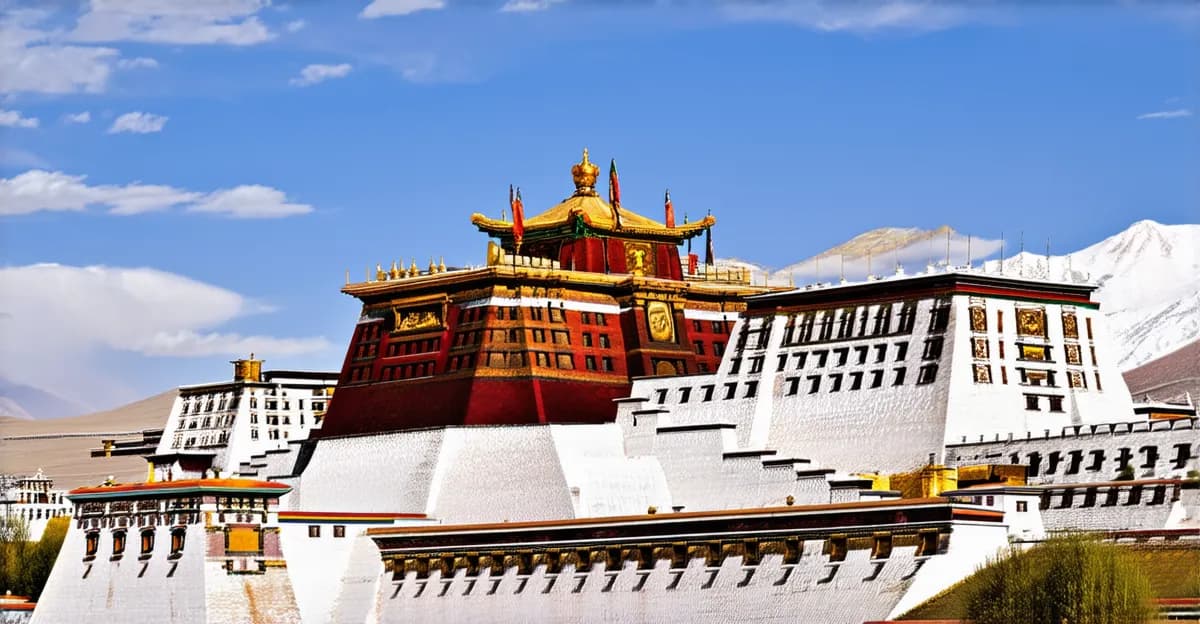
On your second day of the Lhasa itinerary, prepare to be mesmerized by the breathtaking Potala Palace, a UNESCO World Heritage Site and one of the most recognizable Landmarks in Tibet. Built in the 7th century, this majestic structure served as the winter residence of the Dalai Lamas and stands as a testament to Tibetan architecture and spirituality.
Start your journey early in the morning, as the morning light casts a soft glow on the palace’s white and red walls, creating a stunning visual that makes for perfect photography. As you walk towards the entrance, take a moment to admire the surrounding landscape with its magnificent views of the Lhasa valley.
Exploring the Palace
Once inside, you’ll notice that everything in the Potala Palace is of profound cultural and spiritual significance. The palace is divided into two main sections: the White Palace, which houses the living quarters of the Dalai Lamas, and the Red Palace, where important religious artifacts and chapels are found. Pro Tip: Opt for a guided tour to gain deeper insights into the history and significance of each room you visit.
Historical Significance
The architecture of the Potala Palace is not only aesthetically pleasing but also embodies Tibetan Buddhist symbolism. With over 1,000 rooms, 10,000 shrines, and almost 200,000 statues, the sheer scale of the palace is staggering. Notably, the chapels are adorned with intricate murals, showcasing the rich cultural heritage of Tibet.
| Feature | Significance |
|---|---|
| Assembly Hall | Hosts important religious ceremonies and gatherings. |
| Stupas of Previous Dalai Lamas | A pilgrimage site, showcasing the respect and reverence for the leaders. |
| Thangka Wall | Displays intricate tapestries depicting Buddhist teachings. |
After Your Visit
Following your tour of the Potala Palace, head nearby to explore local eateries. Here, you can indulge in traditional Tibetan dishes such as momos (dumplings) and tsampa (roasted barley flour), allowing yourself to refuel before continuing your day of exploration.
To truly experience the local Culture, consider strolling through the nearby streets, where you can observe residents engaging in traditional practices and perhaps join locals in a kora, a ritual circumambulation of the sacred sites.
“The essence of traveling is in understanding and cherishing different cultures. The Potala Palace embodies the heart and soul of Tibet.” – Local Traveler
Plan for the Rest of the Day
After your visit to the Potala Palace, you might find it worthwhile to explore the nearby Norbulingka Palace, the summer residence of the Dalai Lamas, and a serene spot to unwind amidst lush gardens. Here, you can learn more about Tibetan history, art, and culture.
By the end of the day, you will have not only taken in the awe-inspiring sights of the Potala Palace but also gained an understanding of its critical role in Tibetan culture. This remarkable experience will undoubtedly be a highlight of your Lhasa itinerary.
Day 3: Discover the Sacred Jokhang Temple and Barkhor Street
Your Lhasa itinerary reaches a spiritual crescendo on Day 3 as you delve into the sacred realms of the Jokhang Temple, an iconic destination for both pilgrims and travelers. This UNESCO World heritage Site is the most revered temple in Tibetan Buddhism and stands as a testament to Lhasa’s rich spiritual heritage.
Morning at Jokhang Temple
Begin your morning at Jokhang Temple, ideally arriving early to witness the devotion of countless pilgrims who make their way to this sacred site each day. As you approach the temple, you will see Buddhists prostrating themselves in a display of deep reverence, further enriching the atmosphere of spirituality.
Once you enter the temple, take your time to explore the intricate architecture and its stunning golden roof. Inside, the temple houses a revered 12-year-old statue of the Buddha, a sight that captivates every visitor. Remember to dress modestly and respect the sanctity of the site; kindness keeps the spiritual essence alive.
Midday Stroll Along Barkhor Street
After immersing yourself in the spiritual essence of Jokhang, make your way to Barkhor Street, located just outside the temple. This lively area is a tapestry of culture, vibrantly adorned with vendors, local shops, and colorful prayer flags. As you walk along the circambulatory path (known as kora), you’ll encounter a myriad of stalls selling everything from traditional Tibetan handicrafts to aromatic local snacks.
Your taste buds will rejoice: don’t miss the chance to try the delicious yak butter tea, a beloved Tibetan delicacy. The local shops will offer something intriguing at every corner; from the intricately designed thangka paintings to traditional caps known as “chupa.”
Engaging with the Local Life
As you stroll, take in the palpable energy of the locals engaging in daily Activities. The ritualistic significance of Barkhor Street cannot be overstated; it breathes life into the spiritual harmony of Lhasa. This area is a profound reflection of Tibetan culture and offers an excellent opportunity for photographs, so keep your camera handy!
To deepen your understanding of local practices, consider seeking out a local guide or join a small group tour. A guided experience will allow you to appreciate the historical and religious significance of the places you visit.
Afternoon Reflections and Leisure
After exploring Barkhor Street, it’s time to relax at a nearby café while relishing your afternoon with a warm cup of Local Tibetan tea. The panoramic views of the temple paired with the rolling sound of traditional music create a perfect backdrop for reflection. Use this time to reflect on what you’ve experienced so far on your Lhasa itinerary and plan for the next day.
Local advice: “Give yourself the gift of time in Lhasa; it’s in the quiet corners of the city where the true magic of Tibet lies.”
Evening and Cultural Experiences
As night falls, consider attending a traditional cultural show if available. These performances often feature traditional Tibetan songs and dances, bringing the vibrancy of local culture to life. Alternatively, you may wish to revisit Barkhor Street in the evening when it is beautifully lit, creating a whimsical setting for a late stroll.
Day 3 within your Lhasa itinerary is sure to be a highlight of your trip, as it encapsulates the spiritual ambiance and cultural richness of this legendary place. Recharge for another rewarding day as you anticipate further discoveries in Tibet!
Day 4: Experience Tibetan Culture at Sera Monastery
On Day 4 of your Lhasa itinerary, immerse yourself in the spiritual atmosphere of Sera Monastery, one of the most prominent monasteries of Tibetan Buddhism. Situated just a short drive from Lhasa, this monastery is thriving with monastic life. It offers a unique glimpse into the religious practices and cultural heritage of Tibet.
Start your day early, around 9:00 AM, to make the most of your visit. After a scenic ride to Sera Monastery, you will be greeted by its impressive architecture and the majestic backdrop of the Himalayas. The monastery, established in 1419, is renowned for its beautiful white and red buildings adorned with intricate artwork. It is not just an architectural gem but also a bustling center of learning.
“The monastery is more than just a place of worship; it’s a vibrant school where monks debate philosophical ideas.”
10:00 AM: Explore the Monastery Grounds
As you stroll through the monastery grounds, take a moment to appreciate the serenity that envelops the area. You will encounter numerous spiritual symbols, including prayer flags fluttering in the mountain breeze and ornate stupas decorated with colorful designs. Make sure to visit the Great Assembly Hall, where monks gather for ceremonies and teachings.
11:00 AM: Attend the Monks’ Debate
One of the most captivating Highlights at Sera Monastery is the famous monks’ debate that occurs daily at around 11:00 AM. The debates take place in the courtyard, and you can witness the monks engaging in lively discussions about Buddhist scriptures. This unique practice not only enhances their understanding but also fosters a sense of community.
Tip: It is essential to be respectful during the debates—observe quietly, and avoid interrupting the monks.
12:30 PM: Lunch at a Local Eatery
After immersing yourself in the spiritual life of the monastery, head toward a nearby local eatery for lunch. Try traditional Tibetan dishes such as momos (dumplings) and thukpa (noodle soup). These hearty meals will recharge you for the rest of the day as you explore more of Lhasa.
1:30 PM: Afternoon Leisure and Reflection
Post-lunch, take some time to stroll around the monastery’s tranquil gardens, where you can absorb the peaceful ambiance. Consider participating in meditation or simply reflecting on your journeys thus far. The natural beauty surrounding Sera Monastery provides an ideal backdrop for contemplation.
3:00 PM: Visit the Nearby Tibetan Cultural Center
Extend your cultural exploration by visiting the nearby Tibetan Cultural Center. Here, you can learn more about Tibetan history, art, and folklore. Engaging with local artisans and witnessing their crafts can deepen your understanding of Tibetan culture and traditions.
5:00 PM: Return to Lhasa
As your day draws to a close, make your way back to Lhasa. Reflect on the profound Experiences of the day and how they tie into the upcoming parts of your Lhasa itinerary. Your journey through Sera Monastery will remain one of the Highlights of your trip, offering insights into the spiritual heart of Tibet.
In Summary: Experiencing Tibetan culture at Sera Monastery will not only enrich your understanding of local traditions but will also connect you with the timeless wisdom preserved within its walls. Make sure to capture moments and share stories, as every visit to Tibet is an unforgettable transformation.
Day 5: Excursion to the Beautiful Namtso Lake
On the final day of your Lhasa itinerary, prepare for a breathtaking excursion to Namtso Lake, one of the highest saltwater lakes in the world, located at an altitude of approximately 4,736 meters (15,505 feet). This stunning, turquoise body of water is surrounded by the majestic peaks of the Nyenchen Tanglha mountain range, making it a paradise for nature lovers and photographers alike. The clear azure waters contrasted against the stark white of the snow-capped mountains create a mesmerizing backdrop that you won’t want to miss.
Pro Tip: Start your day early to make the most of your time at Namtso Lake, as it takes around three hours to reach the lake from Lhasa. Bring along snacks and plenty of water, and don’t forget your camera to capture the ethereal beauty!
Morning: Journey to Namtso Lake
The drive to Namtso Lake is a scenic one, filled with captivating landscapes of Tibetan plateaus, rolling hills, and fields adorned with yaks. Along the way, you may also witness nomadic herders going about their daily routines, which provides an authentic glimpse into the local lifestyle. As you ascend towards the lake, the air will feel crisper, and the views will only become more breathtaking.
Midday: Arrival and Exploration
Upon arrival at Namtso Lake, take some time to soak in the surroundings. The lake is often likened to a “Heavenly Lake” due to its ethereal beauty, and no trip would be complete without a leisurely walk along its shores. Enjoy the peace that this pristine environment offers. With the gentle lapping of the waves and the sun reflecting off the water, it’s the perfect opportunity for meditation or quiet contemplation.
Lunch: Local Delicacies by the Lake
For lunch, you can try some of the local cuisine, which may be available at makeshift stalls or small eateries near the lake. Savor delicious dishes like tsampa (roasted barley flour) and momo, a traditional Tibetan dumpling. Alongside your meal, don’t forget to enjoy the stunning scenery that envelops you.
Afternoon: Peaceful moments and Return
After lunch, continue exploring Namtso Lake. If you’re feeling adventurous, consider taking a boat ride to experience the lake from a different perspective. Alternatively, find a tranquil spot to sit back, relax, and enjoy the serene ambiance. This idyllic location serves as a perfect opportunity to reflect on your journey through Lhasa and the rich culture and history you’ve encountered.
As the afternoon winds down, prepare for the drive back to Lhasa. Although you might be reluctant to leave the breathtaking views behind, the ride back offers moments to appreciate the landscape one last time. Look out for opportunities to capture lingering memories through photographs.
Evening: Reflecting on Your Lhasa Itinerary
Upon returning to Lhasa, spend your evening reflecting on the incredible Experiences you’ve had during your Lhasa itinerary. Consider dining at a local restaurant to relish more Tibetan flavors, indulging in dishes such as .yogurt and barley beers. This is a perfect occasion to savor your adventure over one last meal, reminiscing about your exploration of Tibet and planning your next travels.
“Namtso Lake is a mirror reflecting the grandeur of nature; it’s a reminder of the beauty and serenity that can be found in the most remote places.”
Best Time to Visit: Seasonal Highlights for Your Lhasa Itinerary
Planning your Lhasa itinerary involves selecting the right time to visit this enchanting city in Tibet. Lhasa experiences distinct seasons, each offering unique highlights that cater to various travelers’ preferences. Here’s a detailed look at the best times to visit Lhasa, ensuring you can make the most out of your travel experience.
Spring (March to May)
Springtime in Lhasa is marked by warming temperatures and blossoming flowers, welcoming the annual influx of travelers. March is particularly significant as it aligns with the Tibetan New Year, Losar, which typically falls in February or March. During this time, you can immerse yourself in local traditions, celebrations, and colorful festivals.
Daytime temperatures average between 10°C to 20°C (50°F to 68°F), while nights can be chilly, so really consider layering your clothing. Visiting famous sites like the Potala Palace during this period means you can appreciate its beauty without the heavy tourist crowds that come later.
Summer (June to August)
Summer is the peak tourist season in Lhasa, attracting many visitors who enjoy the comfortable temperatures, ranging from 15°C to 25°C (59°F to 77°F). The vibrant atmosphere is perfect for exploring the majestic Jokhang Temple and the lively Barkhor Street filled with stalls selling local handicrafts, religious artifacts, and souvenirs.
However, be mindful that rain is more frequent during these months, which means carrying an umbrella or raincoat is advisable. Despite the possibility of showers, summer offers beautiful views of the surrounding landscapes.
Autumn (September to November)
Fall offers a fantastic time to visit Lhasa due to mild temperatures and breathtaking fall foliage. September averages around 15°C to 22°C (59°F to 72°F), making it ideal for outdoor activities and cultural explorations. Autumn is also famous for its clear skies and stunning mountain views, presenting excellent photographic opportunities.
During this season, you can also expect fewer crowds compared to the summer months. It’s an ideal time for an excursion to Namtso Lake, as the crystal-clear waters reflect the vibrant autumn colors.
Winter (December to February)
Winter in Lhasa is cold, with temperatures often dropping between -5°C to 10°C (23°F to 50°F). Snow can occasionally blanket the city, transforming it into a serene winter wonderland. This season is perfect for solitude seekers and those wanting to engage deeply with Tibetan culture, as tourist numbers dwindle significantly.
The lower temperatures mean fewer crowds at popular sites like the Sera Monastery, allowing for a more intimate experience. Despite the chill, the clear blue skies are stunning, and visiting Lhasa during winter offers a unique insight into local customs and traditions during the quieter months.
Pro Tip: No matter the season, always prepare for sudden weather changes in Lhasa due to its high altitude. Layers are your best friend!
In summary, the best time to visit Lhasa largely depends on your interests—whether you seek vibrant festivals, peaceful solitude, or stunning mountain landscapes. Each season offers a unique aspect of Lhasa, making it a captivating destination year-round.
Travel Tips for Your Lhasa Itinerary: Health, Costs, and Local customs
Planning a Lhasa itinerary requires an understanding of unique health considerations, budget planning, and the rich customs of Tibetan culture. As you prepare for your journey, keep the following tips in mind to ensure a smooth and enjoyable experience.
Health Considerations
When traveling to Lhasa, the high altitude can significantly impact your body’s acclimatization process. At an elevation of approximately 3,650 meters (11,975 feet), it is essential to take things slowly upon your arrival. Here are some health tips:
- Acclimatize: Ensure that the first day is dedicated to acclimatization. Factor in rest periods and avoid strenuous Activities.
- Stay Hydrated: Drink plenty of fluids, preferably water, to prevent dehydration due to the dry air.
- Avoid Alcohol: Steer clear of alcohol during your first couple of days to give your body adequate time to adjust.
- Consult a Doctor: Before your trip, talk to your physician about potential altitude sickness medications.
In the event of any severe symptoms, such as headaches, dizziness, or shortness of breath, seek medical attention immediately.
Costs to Consider
The cost of traveling in Lhasa can vary widely depending on your choices for accommodation, activities, and food. Here’s a quick breakdown:
| Expense | Estimated Cost (per day) |
|---|---|
| Accommodation (Budget) | $10 – $25 |
| Food (Local Cuisine) | $5 – $15 |
| Transportation | $5 – $10 |
| Entry Fees (Palaces, Temples) | $10 – $30 |
| Total Estimated Cost | $30 – $80 |
Budget travelers can manage their costs by choosing local eateries and budget accommodations. Additionally, purchasing a multi-attraction ticket can help save money if you plan on visiting popular sites.
Local customs to Respect
Tibetan culture is rich and diverse, and it is vital to respect local customs when visiting.Learning a few basic customs can enhance your interactions with locals:
- Greetings: A traditional greeting in Tibetan is “Tashi Delek,” which conveys good wishes.
- Respect Religious Practices: Many sites, such as temples, require visitors to be respectful. Dress modestly and maintain a low voice.
- Offerings: If you plan to participate in any rituals or ceremonies, it’s common to bring offerings such as fruits or incense.
- Photography: Always ask for permission before taking photographs of people, especially Buddhist monks, and avoid taking pictures in sensitive areas.
“Understanding and respecting local customs not only enriches your experience but also helps in fostering positive interactions with the local community.”
In summary, your Lhasa itinerary will be more enjoyable and rewarding when you take health precautions, manage your budget wisely, and honor local traditions. By following these travel tips, you will cultivate a deeper appreciation for the beautiful culture and holistically embrace your journey in Tibet.
This Lhasa itinerary provides a captivating glimpse into the rich cultural heritage and stunning landscapes of Tibet. From exploring ancient monasteries to experiencing vibrant local life, Lhasa is a city that captivates every traveler. Customize this itinerary based on your interests and be sure to immerse yourself in the unique experiences that Lhasa offers. Start planning your Lhasa itinerary today and create unforgettable memories!
Frequently Asked Questions
A: The best time to visit Lhasa is from April to October, when the weather is mild and ideal for sightseeing.
A: A 5-day itinerary is perfect for exploring major attractions and experiencing local culture.
A: Potala Palace, Jokhang Temple, and Sera Monastery are essential stops on your trip.
A: Lhasa is walkable, and taxis or local buses are available for longer distances.
A: Yes, Namtso Lake and Ganden Monastery are excellent day trip options.
A: Explore Barkhor Street markets for local crafts or join a traditional Tibetan festival if possible.
 Lhasa Experiences: Top 10 Must-See Attractions in TibetSeptember 13, 2025
 Lhasa Landmarks: Top 10 Must-See Sites in TibetSeptember 12, 2025
 Lhasa Events: Unforgettable Festivals You Must ExperienceSeptember 11, 2025