11 Best Albuquerque Hidden Gems to Visit (2026)
Discover 11 albuquerque hidden gems with local tips, pricing, and timing. Plan your trip with neighborhood context and expert booking advice for 2026.
On this page
11 Albuquerque Hidden Gems You Can't Miss
After my fifth visit to the High Desert, I realized the city's true soul hides in its dusty side streets and quiet courtyards. Albuquerque is often defined by its famous balloon fiesta, but the real magic happens when you step away from the main plazas. I remember stumbling upon a tiny tea bar in a nondescript alley that served the best matcha I have ever tasted. This guide focuses on those authentic moments that make New Mexico feel like the Land of Enchantment.
Exploring the various things to do in Albuquerque requires a bit of local insight to find the best spots. This list includes updated pricing and hours for the 2026 travel season. You will find that the most rewarding experiences often involve small museums or hidden trails that most tourists overlook. Prepare to see a side of the city that feels both ancient and surprisingly modern.
Must-See Albuquerque Hidden Gems (2026)
The following list represents the most unique and under-the-radar experiences available in the city today. I have selected these based on their historical significance, local popularity, and overall value for travelers. Each entry includes practical details to help you build a seamless itinerary without any guesswork. From quirky folk art to serene nature preserves, these picks offer a well-rounded view of the region.
Many of these locations are situated in residential neighborhoods like Los Ranchos or the North Valley. Renting a car is highly recommended as public transit can be infrequent in these more secluded areas. Keep in mind that high-altitude sun is intense, so always carry water and wear sunscreen even in winter. These spots are perfect for those who want to escape the generic gift shops of the main tourist hubs.
- Tinkertown Museum
- This sprawling folk-art environment features thousands of hand-carved wooden figures and animated dioramas created by Ross Ward.
- Expect to pay around $6 per adult, and note that they are typically open from April through October, 10:00 to 16:00 daily.
- Located on the Turquoise Trail in Cedar Crest, this museum is a sensory explosion of glass bottles and miniature circuses.
- Arrive right at opening to avoid the small crowds that gather in the narrow, winding hallways of this eccentric structure.
- American Rattlesnake Museum
- This animal conservation museum in Old Town houses the largest collection of live rattlesnake species in the world.
- Tickets usually cost $6 for adults, with the museum operating daily from 11:30 to 17:30 throughout the year.
- It is a fascinating look at a misunderstood creature, featuring rare species and plenty of historical snake-related memorabilia.
- Make sure to collect your Certificate of Bravery at the end of the self-guided tour for a fun souvenir.
- Casa San Ysidro: The Gutierrez/Minge House
- This historic house museum in Corrales showcases a massive collection of New Mexican Spanish Colonial art and tools.
- General admission is roughly $6, and tours are generally available by appointment or during specific seasonal hours from February to November.
- The property includes an original 1870s house and a reconstructed plaza that feels like stepping back two centuries.
- Check the official Casa San Ysidro site for specific tour times as they vary by month.
- Bike In Coffee at Old Town Farm
- This outdoor cafe is located on a working farm and is accessible primarily by the city's multi-use bike trails.
- Menu items like lavender lattes and farm-fresh crepes typically range from $8 to $15 per person.
- The cafe is open weekends from 9:00 to 14:00, though hours expand during the warmer summer months.
- Look for the Bike In signs along the Duranes Lateral trail to find this peaceful, shaded oasis under the cottonwood trees.
- Lost Cultures Tea Bar
- This modern tea house in the Wells Park area specializes in high-quality matcha and fermented tea drinks in a minimalist, serene setting.
- Most specialty drinks cost between $6 and $9, and they are open daily from 10:00 to 18:00.
- It is a perfect spot for those seeking a quiet break from the desert heat with a focus on artisanal preparation.
- Try the sparkling matcha with seasonal fruit syrups for a refreshing twist on a traditional Japanese beverage.
- Petroglyph National Monument - Rinconada Canyon
- While the monument is well-known, the Rinconada Canyon trail offers a quieter, more rugged experience with hundreds of ancient carvings.
- Parking is free at this specific trailhead, and the monument is open daily from 8:30 to 16:30.
- The 2.2-mile loop takes you past basalt boulders etched with symbols by Native Americans and early Spanish settlers.
- Bring binoculars to spot the more distant petroglyphs high up on the canyon walls that are easy to miss.
- Elena Gallegos Open Space
- This 640-acre park at the base of the Sandia Mountains offers stunning views of the city and the Rio Grande Valley.
- Entrance fees are only $1 on weekdays and $2 on weekends, with gates open from 7:00 to 19:00 in the summer.
- The network of trails is ideal for sunset hikes when the granite mountains turn a deep, vibrant pink color.
- Park near the Kiwanis Cabin trailhead for a short walk to one of the best panoramic photo spots in the county.
- Wheels Museum
- This free museum sits next to the historic Albuquerque Rail Yards and traces the full history of transportation in New Mexico.
- Exhibits cover the railroad era that defined the city's growth, plus vintage vehicles and the story of Route 66 through Albuquerque.
- It is one of the most underrated free stops in the city, especially for families and history enthusiasts.
- The Rail Yards themselves are worth a walk around on a weekend when they host local markets and pop-up events.
- San Felipe de Neri Church
- This historic church in Old Town Albuquerque dates back to 1793 and remains an active parish today.
- There is no cost to enter the sanctuary, which is generally open to visitors between 10:00 and 16:00 daily.
- The thick adobe walls and intricate wooden altar provide a cool, silent refuge from the bustling plaza outside.
- Respect the signage regarding photography inside the sanctuary, as it is a sacred space for the local community.
- Turquoise Museum
- This family-owned museum is housed in a castle-like building and explores the geology and history of the Southwest's most famous stone.
- Admission is approximately $20 per adult, and the museum is open Monday through Saturday with scheduled guided tours.
- The collection includes rare specimens and explains how to distinguish authentic turquoise from treated or fake stones.
- Book your tour in advance online, as the museum limits group sizes to ensure a more personal and educational experience.
- Los Poblanos Historic Inn & Organic Farm
- This historic estate features lavender fields, formal gardens designed by Rose Greely, and a charming farm shop.
- While the grounds are mostly for guests, the Farm Shop and restaurant are open to the public daily from 9:00 to 17:00.
- You can walk through the lavender rows during the summer bloom and see the resident peacocks roaming the property.
- The farm shop sells incredible lavender-infused honey and salves that make for high-quality, locally-made gifts.
Museums, Art, and Culture in Albuquerque
The cultural fabric of the city is woven from centuries of Pueblo, Spanish, and Mexican influences. You can see this reflected in the Albuquerque sightseeing spots that focus on traditional crafts and modern installations. The city's mural scene has exploded recently, with local artists transforming industrial walls into vibrant storytelling canvases. Head to MurosABQ.com to find a free interactive map of murals, or book a guided bike tour with Routes Bicycle Tours & Rentals to cover the Old Town and Downtown corridors in a couple of hours.
Smaller galleries in the Nob Hill district often host openings that are free to the public on Friday nights. These events are a great way to meet local creators and understand the contemporary art movement in New Mexico. The National Hispanic Cultural Center is another vital hub, offering everything from flamenco performances to art exhibits. Expect to spend at least half a day exploring their campus to truly appreciate the breadth of their collections.
The Indian Pueblo Cultural Center provides an essential perspective on the 19 Pueblos of New Mexico through dance and art. It is one of the few places where you can experience authentic Native American cuisine at their on-site restaurant. Make sure to check their calendar for weekend dance performances that are included with your general admission ticket. The Sculpture Garden at the Albuquerque Museum is free to enter and displays large-scale bronze and stone works by regional artists — visit on the first Wednesday of the month when interior museum admission drops to zero.
Parks, Gardens, and Outdoor Spots in Albuquerque
Albuquerque sits at an elevation of over 5,000 feet, which creates a unique high-desert environment for outdoor enthusiasts. The Bosque, a cottonwood forest lining the Rio Grande, offers miles of shaded trails for walking and cycling. In the autumn, the leaves turn a brilliant gold, making it one of the most scenic places in the entire state. Birdwatchers should head to the Rio Grande Nature Center State Park to see migratory species like Sandhill Cranes.
For those seeking a more vertical challenge, the Sandia Foothills provide rugged terrain and expansive western views. Trails like the Embudo Canyon path lead you into steep rock formations that feel surprisingly remote despite being near the city. Always check the weather before heading out, as afternoon thunderstorms can develop rapidly during the summer monsoon season. Flash floods in the arroyos are a serious risk, so stay on marked paths and avoid dry creek beds during rain.
The ABQ BioPark Botanic Garden is another local favorite, featuring a diverse range of desert and Mediterranean plants. The Japanese Garden within the complex is particularly peaceful, offering a contrast to the surrounding arid landscape. Admission for the botanic garden is roughly $14.50 for adults, and it is open daily from 9:00 to 17:00. Visit in the early morning to see the butterflies in the pavilion when they are most active.
Family-Friendly and Budget-Friendly Options in Albuquerque
Albuquerque punches above its weight for families on a tight budget. The Wheels Museum is completely free and keeps kids occupied for an hour or more with hands-on railroad history exhibits. Elena Gallegos Open Space charges just $1 to $2 per car and gives families 640 acres of trails, picnic tables, and mountain backdrops. Petroglyph National Monument's Rinconada Canyon trailhead also charges nothing for parking, making it one of the best free half-days in the Southwest.
For food, the local tip that most travel articles skip is to say "Christmas" when asked the New Mexico staple question "red or green?" — it gets you both red and green chile on the same plate. This is not just a fun quirk; it genuinely helps indecisive first-timers and families with mixed heat tolerances navigate menus at hole-in-the-wall spots like Duran's New Mexican Restaurant on Central Avenue. Many of these neighborhood diners price full plates under $12 and are far better value than anything inside Old Town plaza. Blue corn tortillas, sopaipillas with honey, and green chile stew are all safe bets for children.
ZAHR Archery offers family-friendly archery dodgeball sessions in a supervised arena, typically priced per person per session. It is an unusual activity that teens in particular tend to remember long after a trip. The Rattlesnake Museum at $6 per adult (with reduced rates for children) is another easy, compact stop that works well before or after lunch in Old Town. Plan it alongside the Wheels Museum on the same afternoon for a full, mostly free cultural day.
Hidden Gems and Local Favorites in Albuquerque
The spots that locals return to again and again are rarely the ones on the main tourist circuit. Itality, a vegan restaurant in Avanyu Plaza near the Indian Pueblo Cultural Center, serves plant-based Native cuisine that is both affordable and genuinely distinct from anything you will find elsewhere in the city. Vino Vans offers guided winery tours of New Mexico's Rio Grande wine country without requiring you to rent a car or plan a designated driver — a practical detail that most travel guides overlook entirely. The state has a surprisingly deep viticulture history stretching back to Spanish colonial settlement, and the tour explains it along the way.
Sawmill Market, converted from a 1950s lumber company into a 34,000-square-foot food hall, is the best single-stop option for travelers who want to sample local flavors without committing to one cuisine. The 27 individual local merchants include a brewpub, a cocktail bar, and stalls serving sushi, Mediterranean, Mexican, and New Mexican food under one roof. The outdoor YARD seating area in the center fills up quickly on weekend evenings, so arrive by 17:30 if you want a table. This is a strong alternative to the overpriced restaurants directly on Old Town Plaza.
For a quieter experience, the Sculpture Garden at the Albuquerque Museum requires no ticket and sits in the heart of the city. It is the kind of place locals duck into for a lunch break that most visitors drive past without noticing. Pair it with the free Nob Hill gallery walk on Friday evenings for a full, low-cost cultural evening in 2026.
Hot Air Balloon Ride Over Albuquerque
While the International Balloon Fiesta in early October is famous, you can fly in a balloon year-round in Albuquerque. The city's unique "box" wind patterns make it one of the safest and most reliable places for ballooning in the world. Expect to pay between $200 and $350 per person for a standard flight with companies like Rainbow Ryders, which has operated for over four decades. Most companies meet at sunrise, so be prepared for a 05:00 or 06:00 wake-up call.
Book your flight for the first morning of your trip in case of weather-related cancellations. If the winds are too high, most operators reschedule within 24 hours. Dress in multiple layers — the desert air is chilly in the morning but the burners generate more heat than you expect inside the basket. October flights require hats and gloves; even summer mornings at altitude call for a light jacket.
The view from above provides a perspective of the Rio Grande and the volcanic cinder cones that you cannot get anywhere else. Most flights conclude with a traditional champagne toast and a light breakfast back at the landing site. The balloon moves with the wind, making the ride feel still and quiet in a way that surprises most first-timers. Tip your pilot and the chase crew; they handle significant physical work long before and after your hour in the air.
Visiting outside the Balloon Fiesta window (early October) has real advantages: accommodation prices are significantly lower, restaurants are not booked out weeks ahead, and the experience is more intimate. A solo October Fiesta ticket plus accommodation can cost three to four times what the same week costs in May or June, with essentially the same balloon experience.
Why Visitors Love Discovering Albuquerque's Hidden Gems
There is a palpable sense of discovery when you find a spot that is not featured on every postcard. Albuquerque's hidden gems offer a level of intimacy that larger, more commercial attractions simply cannot replicate. You might find yourself chatting with a local potter or learning about the complex history of water rights in the valley. These interactions create a deeper connection to the land and the people who have called it home for generations.
The city's underrated nature is partly due to its layout, where treasures are often tucked behind unassuming adobe walls. Exploring these spaces feels like being let in on a local secret that only a few travelers get to experience. It is this lack of pretension that makes the city so appealing to those who value authenticity over polished tourism. You will often find that the best best food in Albuquerque is served in modest buildings far from the plaza.
Finding these spots also allows for a more sustainable form of travel that supports small, family-owned businesses. Your admission fees at places like Tinkertown or the Rattlesnake Museum go directly toward preserving local history and wildlife. This type of travel encourages a slower pace, where you can truly absorb the atmosphere of the Southwest. Ultimately, these gems provide the stories you will tell long after your flight home has landed.
Other Things to Know When Visiting Albuquerque
The best time to visit for hidden-gem exploration is fall (September to November) or spring (March to May). Fall brings the Balloon Fiesta plus the golden cottonwood trees in the Bosque, and temperatures sit comfortably between 16°C and 24°C during the day. Spring offers blooming desert flora and fewer crowds. Summer exceeds 32°C regularly and monsoon storms roll in fast during July and August — outdoor itineraries need an early start and a firm cutoff by 14:00.
When considering safety, the city is generally welcoming, but common sense applies. Never leave valuables visible in a parked car at trailheads or in residential neighborhoods. Stick to well-lit areas at night and be aware of your surroundings on Central Avenue east of Nob Hill. Most residents are proud of their city and genuinely happy to give recommendations — asking a local where they eat is almost always the right move.
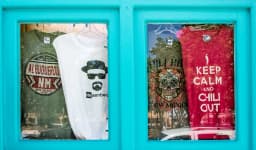
A few practical things most guides skip: many smaller museums close on Mondays or Tuesdays, so always verify hours before departing your accommodation. The altitude affects everyone differently — drink at least double your normal water intake on the first two days. Finally, skip the Breaking Bad novelty candy shops in Old Town; the markup is extreme and the quality is low. Spend that same money at the Indian Pueblo Cultural Center shop or one of the weekend artisan markets for something that actually represents New Mexico.
Finally, take time one evening to watch the Sandia Glow — the phenomenon where the granite Sandia Mountains turn deep rose-pink at sunset. It happens for roughly 15 minutes every clear evening and is visible from almost anywhere in the city east of the Rio Grande. It costs nothing and is one of the most memorable sights in the American Southwest.
How to Plan a Smooth Albuquerque Attractions Day
Building a functional Albuquerque itinerary requires balancing the city's sprawl with your personal interests. Traffic on I-25 and I-40 can be heavy during morning and evening rush hours, so plan your cross-town trips accordingly. Most attractions are clustered in areas like Old Town, Downtown, or the Northeast Heights, which helps minimize driving time. Group your visits by neighborhood to save on fuel and reduce the stress of navigating unfamiliar streets.
A practical three-day structure works well for most first-timers. Day one: Old Town cluster (San Felipe de Neri Church, Rattlesnake Museum, Turquoise Museum, lunch at Sawmill Market). Day two: Northeast Heights and foothills (Elena Gallegos hike at 07:00, Tinkertown on the way back down the Turquoise Trail, Nob Hill gallery walk in the evening). Day three: North Valley and the Bosque (Bike In Coffee for breakfast, Casa San Ysidro by appointment, Los Poblanos Farm Shop in the afternoon).
Many local businesses and smaller museums close on Mondays or Tuesdays, so always verify hours before you depart. Booking tickets online for popular spots like the Turquoise Museum or the BioPark saves time. If you plan on dining at Los Poblanos, make reservations at least two weeks in advance. A little bit of digital legwork goes a long way when exploring the High Desert in 2026.
Frequently Asked Questions
Which Albuquerque hidden gems fit first-time visitors?
First-time visitors should prioritize Tinkertown Museum and the Petroglyph National Monument. These spots offer a perfect mix of local folk art and ancient history without the massive crowds found at the Sandia Peak Tramway. They provide an immediate sense of the region's unique cultural identity.
How much time should you plan for Albuquerque hidden gems?
Plan for at least three full days to explore these sites without feeling rushed. Most hidden gems, like the Turquoise Museum or Casa San Ysidro, require 2-3 hours each for a thorough visit. This pace allows for travel time between the city's spread-out neighborhoods.
What should travelers avoid when planning Albuquerque hidden gems?
Avoid visiting smaller museums on Mondays, as many are closed for maintenance. Also, do not underestimate the desert sun; skipping hydration or sunscreen can quickly ruin your trip. Finally, avoid leaving valuables in your car at trailheads to prevent potential break-ins.
Albuquerque is a city that rewards those who are willing to look past the surface of typical tourist brochures. By visiting these hidden gems, you support the local community and gain a much richer understanding of the Southwest. Whether you are hiking the foothills or sipping tea in a quiet alley, the Land of Enchantment lives up to its name. I hope this guide helps you find the same magic that keeps me coming back to these high-desert plains year after year.