10 Essential Insights for Visiting City of Caves Nottingham
Discover the City of Caves Nottingham with our expert guide. Includes new entrance details, ticket prices, WWII shelter history, and top Lace Market tips.
On this page
10 Essential Insights for Visiting City of Caves Nottingham
Nottingham sits atop a hidden world of over 800 man-made sandstone caverns. The City of Caves Nottingham offers the best way to explore this dark and fascinating history. Walking through these passages reveals how locals lived, worked, and hid for over a thousand years.
This subterranean network served as everything from medieval tanneries to bomb shelters during the Blitz. The entrance is tucked away in the historic Lace Market district, providing a stark contrast to the modern streets just a few meters above. Planning a visit in 2026 requires knowing recent changes to site access — this guide gives you everything you need before you descend.
Must-See City Attractions
The City of Caves is a cornerstone of any Nottingham sightseeing guide because of its sheer uniqueness. It is part of the National Justice Museum network, located just a five-minute walk away. Visitors often combine these two sites to get a full picture of the city's past — and a joint ticket makes this a strong-value pairing.
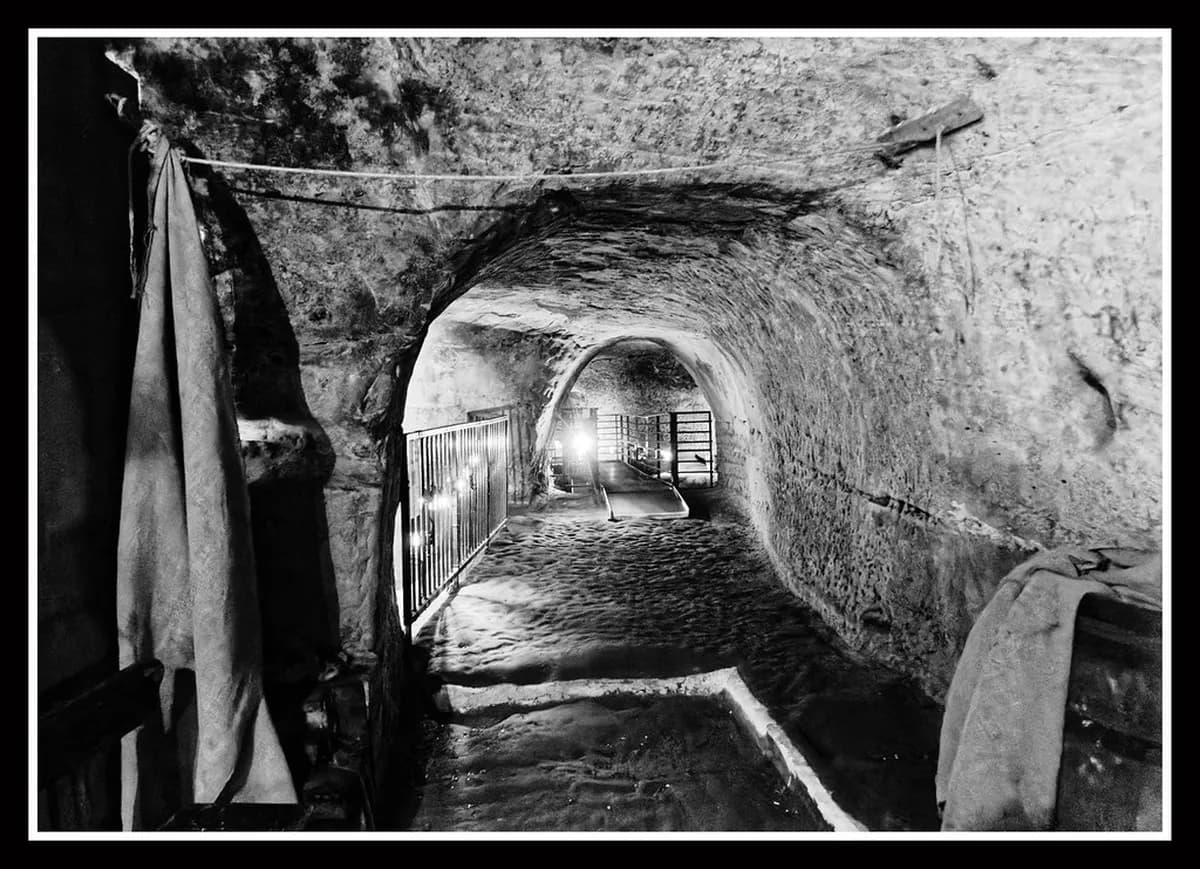
The caves are carved into soft Sherwood Sandstone, a geology so workable that residents expanded their living and working spaces underground across many centuries. You can still see the pickaxe marks left by laborers from the medieval period. The site protects the largest publicly accessible section of Nottingham's network, which Historic England has listed as a scheduled monument.
Exploring the caves ranks among the most popular Nottingham activities for history buffs. The tour is self-guided, allowing you to move at your own pace. Audio guides provide a rich narrative of the people who once called these dark spaces home — bring your own headphones for the best sound quality.
Don't Miss the City of Caves Nottingham
The medieval tannery is one of the most significant sections of the site. It is the only underground tannery in the United Kingdom and carries a faint, earthy smell that makes the history viscerally real. You can see the pits where animal hides were processed by workers in gruelling conditions.
The WWII air raid shelters are equally unmissable. During the war, Nottingham suffered a dozen air raids that killed or injured over 500 people. Around 10% of the city's caves were repurposed as shelters — a mix of older caverns and new chambers cut directly from the sandstone to also fill sandbags for surface protection. The cramped benches and period signage reconstruct the atmosphere with quiet precision.
Look out for the remains of the Victorian slum dwellings deep in the network. Families lived in these damp, lightless spaces until the mid-19th century. Seeing these rooms makes the deprivation of the Industrial Revolution concrete rather than abstract.
Beneath Our Feet: the story of Nottingham's caves
The social history of these caves is grittier than most visitors expect. In 1845, legislation was passed to ban the renting of cellars and caves as homes, a direct response to the appalling health conditions found in Nottingham's underground slums. Families had lived in these overcrowded, unsanitary spaces for generations — the law came too late for many of them.
The sandstone was a double-edged sword. It was easy to carve, which made cheap shelter possible, but it also trapped residents in damp, unventilated environments with no natural light. Despite the 1845 ban, many caves continued as industrial spaces — beer cellars have been in continuous use since the 13th century, and the lace-finishing industry used the network for storage well into the 20th century.
One detail that often surprises visitors: in 1330, a group of conspirators used a cave passage beneath Nottingham Castle — now known as Mortimer's Hole — to capture Roger Mortimer, the lover of Queen Isabella. The same sandstone that housed the city's poorest residents was also the setting for a defining moment in English royal history. The caves are scheduled by Historic England partly because community groups fought off 1960s plans to seal them with concrete during modernisation works.
You can explore further context through the European Heritage Days historical narrative which covers the oral history project and archaeological finds from the cave network.
How to Plan a Smooth City Attractions Day
The most important tip is to find the correct entrance on Garner's Hill. Many older maps and Google Maps still point to the Broadmarsh Shopping Centre, which is no longer the entry point. When you reach Weekday Cross, continue toward Nottingham Contemporary, then head down the steps to your left. The postcode NG1 1HF will get you there.
The City of Caves is cashless in 2026. If you only have cash, you must go to the National Justice Museum first to buy your tickets — it is a five-minute walk. The site staggers entry times and limits group sizes, so booking in advance is strongly recommended for weekends and school holidays. Check the official Visit Nottinghamshire page for real-time availability.
Opening hours run Monday to Sunday 10:00–17:00, including bank holidays. Last entry is at 16:10. The site closes 24–26 December and 1 January. There are no toilet facilities inside the caves — use the National Justice Museum restrooms before you descend.
- Entrance: Garner's Hill steps, NG1 1HF (next to Nottingham Contemporary)
- Payment: Cashless — cards only; cash tickets available at National Justice Museum
- Hours: 10:00–17:00 daily; last entry 16:10
- Toilets: National Justice Museum only (5-minute walk)
- Audio: Bring your own headphones
- Booking: Advance booking strongly recommended
Ticket Prices and the Year Pass Advantage
In 2026, adult tickets cost £11.00 and child tickets (ages 5–17) are £9.00. Concession tickets are priced at £10.00. Family tickets run from £25.00 for one adult with three children up to £35.50 for two adults and three children.
Every general admission ticket now grants unlimited re-entry for a full year from the date of purchase. This detail is buried in the booking page and most visitors miss it. If you are touring Nottingham across multiple trips, a single ticket effectively becomes a season pass — worth bearing in mind if you plan to return with family members who could not make the first visit.
A joint ticket with the National Justice Museum costs £21.00 for adults and £17.00 for children. Family joint tickets range from £45.00 to £70.00 depending on composition. The physical walk between the two sites takes about five minutes and the combined visit runs roughly three to four hours. You can also opt for Gift Aid when purchasing, which adds 25% to the charity's income at no extra cost to you.
Museums, Art, and Culture in City
Just steps from the cave exit, Nottingham Contemporary hosts rotating exhibitions in a striking building that contrasts sharply with the ancient passages below. It is an essential stop for anyone seeking a mix of old and new culture on the same afternoon.
Nearby, the Eric Irons Plaque honors a local civil rights pioneer whose legacy adds a layer of modern social history to your walk through the Lace Market. These small plaques reward the visitor who takes time to read them. The Watson Fothergill Head Office is another stop for architecture enthusiasts — his Gothic Revival style appears across the city center and makes for strong photographs after the darkness of the caves.
St Mary's Church Nottingham City Centre offers the sharpest possible contrast to the cave experience. While the city's poorest residents lived in sandstone holes carved beneath these streets, the wealthy worshipped in this 14th-century church with soaring stone arches and intricate stained glass. Visiting both in a single afternoon makes the social divisions of medieval and Victorian Nottingham impossible to ignore. The churchyard is a quiet place to sit and reflect before continuing your walk.
Family-Friendly and Budget-Friendly Options in City
Families can stretch their budget by purchasing joint tickets for the caves and the National Justice Museum rather than buying separately. Many of the historical plaques and murals in the Lace Market are completely free to view, making the surrounding streets an extension of the paid attraction. Budget-conscious travelers should check the official site for current family pricing before booking.
The caves offer an educational experience that keeps children engaged through audio storytelling and atmospheric set-pieces. The temperature underground stays constant year-round, making it an ideal wet-weather option. Consider pairing the visit with a Nottingham weekend activity since local markets near the Lace Market often run on Saturdays and add affordable food and crafts to the day.
Children tend to respond most strongly to the WWII air raid shelter section and the tannery pits, both of which require no prior historical knowledge to find compelling. The self-guided format means you can linger in sections that hold their interest and move quickly through those that do not.
Lace Market Walking Route After the Caves
Emerging from the Garner's Hill exit, turn right and walk up toward High Pavement to find the Lace Market Street Mural. This piece of street art depicts the neighborhood's textile history in bold, modern style. It makes a strong photography backdrop and connects the industrial past of the caves to the creative present of the area.
From the mural, head north toward St Mary's Church and then loop back through the side streets toward the Watson Fothergill Head Office. The Brian Clough statue in the Old Market Square is roughly a ten-minute walk from the caves and provides a "local hero" counterpoint for visitors who want a broader sense of Nottingham's identity beyond its medieval past.
For visitors who want to extend the subterranean atmosphere, Escapologic Escape Rooms in the city center offers a modern underground-style experience. It is a logical next stop for anyone who enjoyed the cave tour but wants something more interactive. The Eric Irons Plaque, positioned along the Lace Market walking route, adds a civil rights history angle that most guided tours omit entirely.
Debbie Bryan Crafternoons - Unique Experiences
After your tour, Debbie Bryan is the ideal spot for a relaxing afternoon. This award-winning shop and tea room sits very close to the Garner's Hill exit, making it a natural first stop as you return to street level. It offers crafternoon sessions where you can try traditional lace making or embroidery — a fitting activity given the neighborhood's textile heritage.
The atmosphere is warm and unhurried, a genuine contrast to the cool darkness of the caves. You can enjoy tea and local cake while browsing handmade gifts. Booking a table in advance is recommended on weekends. The shop stocks souvenirs unique to Nottingham that you will not find in larger retail stores, and supporting it helps keep the independent spirit of the Lace Market alive.
Frequently Asked Questions
Where is the new entrance for the City of Caves Nottingham?
The new entrance is at the bottom of the Garner's Hill Steps, NG1 1HF, next to Nottingham Contemporary. Google Maps may still route you through the closed Broadmarsh Shopping Centre. When you reach Weekday Cross, continue toward Nottingham Contemporary and take the steps down to your left. For more underground tips, see our Nottingham tunnels guide.
How much are tickets for the City of Caves?
In 2026, adult tickets are £11.00, children (5–17) are £9.00, and concessions are £10.00. Family tickets range from £25.00 to £35.50. Every ticket now includes unlimited re-entry for a full year from the date of purchase. A joint ticket with the National Justice Museum costs £21.00 for adults and £17.00 for children. The site is cashless — bring a card.
Is the City of Caves Nottingham accessible for wheelchairs?
The City of Caves is not fully wheelchair accessible due to steep steps and uneven sandstone floors throughout the historic passages. Modern modifications are not possible given the scheduled monument status of the site. Visitors with mobility requirements should contact the team directly before booking to discuss what can be accommodated.
How long does a tour of the City of Caves take?
A self-guided tour typically takes 45 minutes to one hour. If you listen to the full audio guide and read the historical displays in detail, allow up to 90 minutes. The combined visit with the National Justice Museum runs three to four hours in total.
Can you buy joint tickets for the City of Caves and National Justice Museum?
Yes. A joint ticket costs £21.00 for adults and £17.00 for children in 2026. The two sites are a five-minute walk apart. The National Justice Museum also sells City of Caves tickets for visitors who only have cash, since the caves themselves are cashless.
The City of Caves Nottingham is more than a tourist attraction. It is a layered record of how people at every level of society used the same sandstone — for shelter, for industry, for survival, and ultimately for protection during wartime. Descending into the passages reveals the true texture of a city that most visitors see only from the street.
Plan your visit carefully: use the NG1 1HF postcode, bring a card, and book in advance for weekends. Remember the year-pass benefit built into every ticket — it makes a return visit practical rather than theoretical. Combine the caves with a walk through the Lace Market for a half-day that covers a thousand years of Nottingham history in a single loop.
 Nottingham Castle Opening Times & Visitor GuideMay 16, 2026