
Nottingham Castle Caves: The Ultimate Visitor Guide to Tours & History
Plan your visit to the Nottingham Castle Caves. Discover tour prices for Mortimer's Hole, booking tips for the Dungeon Tour, and essential accessibility info.
On this page
Nottingham Castle Caves
Nottingham hides a secret world beneath its historic streets within the famous sandstone ridge. Exploring the nottingham castle caves offers a glimpse into centuries of royal intrigue and dark legends. These tunnels served as escape routes, dungeons, and storage for the fortress above. Visitors today can walk through these passages to uncover the city's hidden past.
Modern travelers often look for unique experiences when they visit Nottingham for a weekend break. The castle caves represent one of the most significant archaeological features in the entire United Kingdom. You will find stories of kings, rebels, and prisoners etched into the soft rock walls. This guide covers everything you need to know for a successful underground adventure in 2026.
The Fascinating History of Nottingham's Castle Caves
The history of these tunnels is inextricably linked to the legendary coup of 1330. Queen Isabella and her lover, Sir Roger Mortimer, once held absolute power within the castle walls. A young Edward III used a secret passage to enter the fortress and arrest Mortimer, reclaiming his throne in a single night. This daring raid changed the course of English history forever and left the passage carrying Mortimer's name for seven centuries.
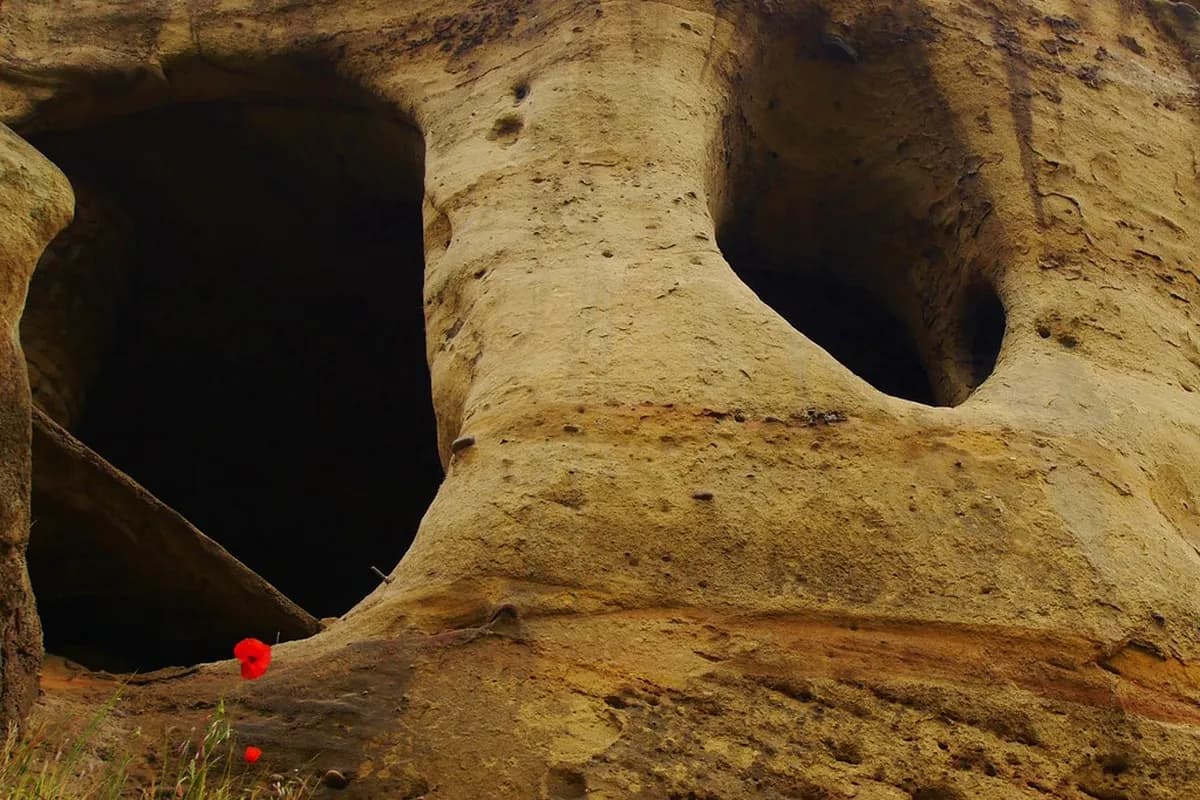
The soft Sherwood sandstone of Castle Rock allowed medieval builders to carve extensive networks with relative ease. Many of these spaces served as vital defensive structures during times of siege and civil unrest. You can learn more about these events in our Nottingham Castle history guide to deepen your knowledge before you arrive. Archaeologists continue to study these voids to understand how the medieval fortress functioned on a daily basis.
Beyond royal drama, the caves provided practical solutions for the community living above. They offered naturally cool temperatures for food storage and safe havens during Second World War bombing raids. Every chamber tells a different story about the people who once lived and worked here. Walking through the silence of the rock feels like stepping back seven hundred years. UK heritage organizations like the National Trust preserve similar medieval structures across the country, making Nottingham's caves part of a broader English conservation effort.
Opening Times and How Tours Run in 2026
Cave tours run daily from 11:00, with slots departing on the hour throughout the day. Tours are available throughout the year, including most bank holidays, but the castle closes on Christmas Day, Boxing Day, and New Year's Day. It is worth confirming exact seasonal hours on the nottinghamcastle.org.uk website before you travel, as opening times can shift during special events.
Each guided tour departs from the castle courtyard and descends through the rock to end near Brewhouse Yard at the base of the ridge. Tour groups are kept small so that every visitor can hear the guide clearly and see the carved features up close. Arrive at the meeting point at least ten minutes before your slot as tours depart strictly on schedule and late arrivals will lose their booking.
Essential Booking Information and Ticket Prices
A cave tour ticket costs £9 per person in 2026. This is an add-on ticket — you must also hold a valid standard castle and grounds admission ticket to access the tour meeting point. The two costs are separate, so budget for both when planning your day. Booking the cave tour online in advance is strongly recommended, especially on weekends and during school holidays when slots fill quickly.
One detail that competitors rarely flag: carers enter for free alongside each paid ticket holder. You will need to bring appropriate documentation confirming your carer status at the time of visit. This makes the experience genuinely accessible for visitors who need personal assistance, even though the physical route itself involves steep steps. Consult our guide on Nottingham Castle ticket prices for a full breakdown of family and concession rates.
Children aged seven and above are permitted on the standard tours. Under-sevens are not admitted on cave tours due to the steep stairs and the nature of the descent, though they can still enjoy the castle grounds and the outdoor playground. Always check your booking confirmation for the exact meeting point instructions, as it can differ slightly depending on the tour type selected.
Choosing Your Tour: Mortimer's Hole vs. the Dungeon Tour
Two distinct guided experiences run beneath the castle, and the one available on your visit depends on cave availability that day. The standard Cave Tour takes you through Mortimer's Hole, the long winding passage used by Edward III's men during the 1330 coup. The Dungeon Tour shifts focus to King David's Dungeon and the grimmer side of medieval imprisonment. Both cost £9 per person and last approximately 25 to 30 minutes.
The Castle Dungeon Tour runs specifically on Saturdays and Sundays and is led by the character known as the Jolly Jailer. This format leans into the grim and gruesome storytelling angle, making it popular with older children and history enthusiasts who enjoy a theatrical element. The standard cave tour, available daily, is more straightforward in its historical narrative. Reviewing a Nottingham Castle visiting guide can help you decide which experience fits your schedule before you book.
Inside the Caves: Mortimer's Hole and King David's Dungeon
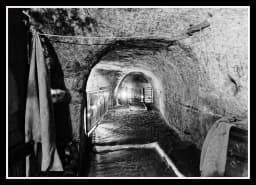
Mortimer's Hole remains the most famous section of the entire underground network. This long, winding passage contains hundreds of steps leading down from the castle to the Brewhouse Yard at the foot of the rock. It takes its name from Sir Roger Mortimer, who was captured here in 1330 and later executed at Tyburn. The atmosphere inside is cool and damp, reflecting the natural state of the sandstone that surrounds you on all sides.
King David's Dungeon offers a more claustrophobic look at life for high-status prisoners. Legend suggests that King David II of Scotland was held here after his capture at the Battle of Neville's Cross in 1346. You can still see intricate carvings on the walls that prisoners likely created during their confinement. These markings provide a haunting connection to the individuals who once suffered in the dark below the castle.
The craftsmanship required to hollow out these massive chambers by hand is truly impressive. Tool marks from medieval chisels are still visible on many of the ceiling surfaces. Lighting is kept low to preserve the rock and maintain an authentic historical atmosphere. Photographers should note that flashes are often restricted to protect the delicate sandstone environment.
Physical Requirements: What to Know Before You Go
The descent through the nottingham castle caves involves navigating well over one hundred steep steps. These stairs are carved directly into the sandstone and feature undulating terrain with varying heights from step to step. Critically, there are no handrails in several sections of the route, which is different from a standard staircase. There is no lift access available for any of the underground tour routes due to the historical nature of the site.
This route is not suitable for wheelchair users or visitors with significant mobility limitations. Visitors who are uncertain about the physical demands should speak with staff at the gatehouse before purchasing a cave tour ticket, as the grounds admission alone can still be a rewarding visit. Sturdy closed-toe shoes with a good grip are essential for the uneven terrain. Expect the temperature inside to be noticeably cooler than the surface weather, even in summer, so carry a light layer.
Anyone who experiences claustrophobia should be aware that certain passages are narrow and the lighting is deliberately dim. The tour guide will be nearby throughout, but the enclosed nature of the tunnels is genuine and unavoidable. If you have concerns about the physical intensity, consult the detailed accessibility statement on the official castle website before booking your ticket.
Don't Miss: Key Features of the Castle Rock
The medieval tannery remains one of the most surprising features found beneath the castle. You can see the circular rock-cut vats where animal skins were once processed into leather during the 14th century. This industrial history shows that the caves served practical commercial purposes, not just war or royalty. The proximity to water sources made this an ideal location for such labor-intensive and messy work.
The Duke of Newcastle's wine cellars, carved into the lower sections of the rock, provided a perfectly stable cool temperature for storing large quantities of wine and provisions. These chambers highlight the luxury and logistical scale of life in the Ducal Palace during the 17th century. During the mid-20th century, many of these same spaces were repurposed as air raid shelters to protect civilians during the Blitz. You can still find remnants of the electrical fittings installed during the Second World War embedded into the sandstone walls.
Comparing the Castle Caves to the City of Caves
Many visitors confuse the castle's tunnels with the separate City of Caves attraction, so the distinction is worth stating clearly. The City of Caves is located beneath the Broadmarsh area, roughly a ten-minute walk from the castle. These two sites require entirely separate tickets and cover very different historical ground. Read our City of Caves Nottingham guide to understand which experience suits your interests before committing to both. For broader Nottinghamshire attractions, the official tourism board lists additional heritage sites across the region.
The castle caves focus tightly on royal and military history — coups, prisoners, and royal logistics. The City of Caves takes a broader social history approach, covering Victorian slum dwellings, a medieval tannery, and the everyday lives of ordinary Nottingham residents across several centuries. If you have a full day in the city, both are worth visiting in sequence. Starting at the castle in the morning and walking to the City of Caves in the afternoon is a natural and manageable itinerary.
- Castle Caves: royal and military history, steep step-only access, runs hourly from 11:00, £9 add-on to grounds admission, exits near Brewhouse Yard.
- City of Caves: social and industrial history, more moderate physical difficulty, separate admission, located at Broadmarsh, covers Victorian slums and a medieval tannery.
Relaxed Mornings and Family-Friendly Options
The castle offers dedicated Relaxed Mornings sessions specifically designed for visitors with sensory processing needs. During these sessions, lighting adjustments are made and group sizes are kept even smaller than usual. Staff members receive specialist training to support guests who may feel overwhelmed in enclosed or low-lit environments. Check the official castle schedule online to see the current dates for these sessions throughout 2026.
The Dungeon Tour on Saturdays and Sundays is led by the Jolly Jailer character and is recommended for visitors aged seven and above. This tour's theatrical delivery suits older children who enjoy immersive storytelling alongside historical facts. Younger children can still enjoy the castle grounds and the outdoor playground while adults take the underground tour. Remember that children must be at least seven years old for any cave tour due to the steep stairs involved in every route.
Exploring the Castle Quarter: Nearby Sights
After finishing your tour, take time to explore the surrounding Castle Quarter. The famous Robin Hood Statue stands just outside the main gate and is a classic photo stop. This neighborhood blends historic architecture with independent cafes and pubs that are worth an hour of exploration. Our Nottingham sightseeing guide lists several other landmarks within a five-minute walk of the castle gates.
Most cave tours conclude near the Brewhouse Yard at the base of Castle Rock. This is home to Ye Olde Trip to Jerusalem, which claims to be England's oldest pub. Stopping here for a drink after the tour is a well-established tradition among visitors, and the pub itself has several rooms carved directly into the same sandstone ridge. It makes for a fitting end to an underground morning.
For parking, the Maid Marian Way multi-storey car park is the most practical option. It is approximately a five to seven minute walk from the car park to the castle gates along a gentle incline. There is no on-site parking for regular visitors — the limited spaces on Castle Road are reserved for blue badge holders who must book ahead. Budget extra time on weekends when the city center is busier and the walk from the car park can take slightly longer.
Frequently Asked Questions About Nottingham Castle Caves
How long does a tour of the Nottingham Castle caves take?
A guided tour typically lasts between 25 and 30 minutes. This includes the descent through Mortimer's Hole or the exploration of the medieval dungeons. You should allow extra time for the walk back up to the castle grounds after the tour ends at Brewhouse Yard.
Are the castle caves accessible for wheelchairs?
No, the caves are not accessible for wheelchairs or those with significant mobility issues. The route involves steep and uneven sandstone steps with no handrails in several sections and no lift access. Carers accompanying a paid ticket holder do receive free entry, but the physical route itself cannot be modified. Visitors should check the detailed accessibility statement on nottinghamcastle.org.uk before booking.
Do I need to book my cave tour in advance?
Yes, booking in advance is highly recommended as tours often sell out, especially on weekends. You can purchase tickets online through the official castle website. Remember that you also need a valid grounds admission ticket to access the meeting point for the tours.
Is there an age limit for children in the caves?
Children must be at least seven years old to participate in the cave tours. This safety requirement exists because of the steep stairs and the nature of the underground environment. Parents should ensure their children are comfortable in dark and enclosed spaces before entering the tunnels.
What should I wear for a visit to the caves?
Wear sturdy, closed-toe shoes with good grip to handle the uneven sandstone surfaces. The caves maintain a constant cool temperature, so bringing a light jacket or sweater is advisable even in summer. Avoid long or flowing garments that could become a trip hazard on the stairs.
What time do the cave tours start each day?
Cave tours run from 11:00 daily, departing on the hour. The castle is open throughout the year except on Christmas Day, Boxing Day, and New Year's Day. Check the official castle website for any additional closures during special events in 2026.
Exploring the nottingham castle caves is a highlight for any visitor to this historic city. The combination of royal legends, impressive geology, and centuries of practical history creates a genuinely memorable underground experience. Book your tickets early, arrive in good footwear, and prepare for a steep but rewarding descent.
After the tour, follow the tradition and stop at Ye Olde Trip to Jerusalem at the base of the rock. Walking through Mortimer's Hole offers a direct connection to one of the most dramatic moments in medieval English history. Your adventure through the sandstone heart of Nottingham will stay with you long after you return to the surface.
 Nottingham Castle Opening Times & Visitor GuideMay 16, 2026