Nottingham Castle Robin Hood Story: A Complete Guide
Discover the true story of Robin Hood at Nottingham Castle. Explore the historical timeline, the legendary ballads, and the interactive Robin Hood Adventures exhibit.
On this page
Nottingham Castle Robin Hood Story: A Complete Guide to Legend and History
Nottingham Castle stands as a powerful symbol of the legendary struggle between the outlaw Robin Hood and the Sheriff of Nottingham. Visitors from around the world travel to this historic site to discover the deep roots of the most famous archer in English history. This guide explores the fascinating connection between the medieval fortress and the timeless tales of the Merry Men and their noble mission.
The Legend of Robin Hood: A Rebel and Icon
The legendary outlaw Robin Hood represents a timeless struggle for social justice against the powerful and corrupt forces of his era. Modern audiences still find inspiration in his mission to take from the rich and give to the needy members of society. His character has evolved from a simple yeoman in early ballads to the noble hero we recognize in movies and books today.
The Sheriff of Nottingham serves as the primary antagonist in this narrative, representing the oppressive laws of the medieval English state. Their legendary conflict often centers on the castle walls, where the Sheriff tried to capture the elusive outlaw through various clever traps. Exploring the Nottingham Castle history guide helps visitors understand the real-world setting of these famous literary battles.
Robin Hood remains a global icon because his story speaks to universal themes of fairness, loyalty, and standing up for the vulnerable. Every corner of the castle grounds feels alive with the spirit of the Merry Men and their daring escapes from the law. The legend continues to shape the identity of the city, making it a top destination for those seeking adventure and history.
The Story Under the Hood: Folklore vs. History
Separating the historical facts from the colorful folklore of Sherwood Forest is a challenge that has fascinated historians for several centuries. While no single person can be definitively identified as the real Robin Hood, many local figures may have inspired the composite legend. The dense woodlands of Nottinghamshire provided the perfect hiding place for outlaws who wished to avoid the reach of the King's men.
Early tales suggest that the outlaw may have been a displaced landowner or a commoner fighting against the harsh Forest Laws of the time. These laws protected the King's deer and often punished local peasants with extreme severity for hunting to feed their hungry families. Understanding this context is essential when reading a Nottingham attractions complete guide to see how the landscape shaped the myth.
The tension between the royal authorities at the castle and the rebels in the woods created the perfect backdrop for dramatic storytelling. Oral traditions passed these stories through generations, slowly adding magical elements and heroic feats that defined the modern version of the outlaw. Historians often look for clues in legal records from the 13th century to find names that match the characters in the ballads.
One important note for first-time visitors: the character known to modern audiences as a disgraced nobleman — "Robin of Locksley" — is largely an Elizabethan invention. A playwright named Antony Munday introduced the noble pedigree in two late-16th-century plays. The original medieval ballads describe a yeoman, not a lord, and the King Richard setting came later still, popularised by Sir Walter Scott's 1819 novel Ivanhoe. The castle you visit today has no connection to that Hollywood version; what it does have is a far richer and stranger real history underneath it.
Nottingham Castle's Role in the Robin Hood Ballads
The earliest literary mentions of the outlaw date back to the 14th century, long before the story became a staple of Hollywood cinema. One of the first references appears in the 1377 poem Piers Plowman, which mentions the "rhymes of Robin Hood" as popular entertainment enjoyed by the allegorical figure of Sloth at the tavern. The Gest of Robin Hood, a 1,824-line poem from the 15th century, is another critical text that provides a detailed look at the outlaw's exploits near the city walls.
These early ballads present a more rugged and sometimes violent version of the character compared to the polished heroes of modern films. Scholars like those in Jay Ruud's Literary Analysis examine how these texts reflect the social anxieties of the late Middle Ages. The castle often appears in these poems as a site of high-stakes drama, including the famous Golden Arrow archery competition.
In the 18th century, Bishop Thomas Percy collected many of these traditional songs in his 1765 Reliques of Ancient English Poetry, helping to preserve the stories for a much wider audience. Joseph Ritson followed in 1795 with a more complete Robin Hood collection that invented a fictional biography for the outlaw. Francis James Child's definitive compilation came in the 19th century, cementing the ballads as serious literary heritage and ensuring that Nottinghamshire's regional folklore would become a significant part of national identity. Today, the castle museum displays artifacts and documents that highlight this rich literary legacy.
The Timeline: From Norman Stronghold to Ducal Palace
The original fortress was built in 1068 by William the Conqueror as a wooden motte-and-bailey structure to secure his power in the north. William Peveril was appointed constable and later recaptured the castle from Empress Matilda's forces during the civil war known as The Anarchy, upgrading parts of the complex with stone. Over the following centuries, monarchs from Henry II to Richard III added towers, state apartments, and stone walls, each leaving their mark on the hilltop site.
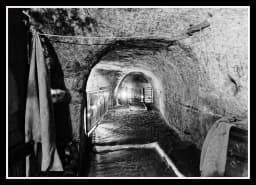
One of the most dramatic medieval episodes at the castle occurred in 1330. Fourteen-year-old King Edward III had been sidelined by his mother Queen Isabella and her lover Roger Mortimer, who ruled as regents. Edward's supporters entered the castle through a secret sandstone tunnel — now open to visitors as Mortimer's Hole — seized Mortimer in the dead of night, and had him executed for treason. This tunnel snakes 100 metres up through Castle Rock and is one of the few genuinely medieval features that survives today. Folk tradition later grafted Robin Hood escape stories onto the same tunnel network, which is why the caves feel so resonant with the outlaw legend even though the historical events are a century apart.
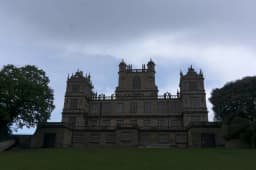
Visitors often expect to find a massive medieval fortress when they arrive. However, the medieval castle was demolished after the English Civil War — Parliamentarian governor John Hutchinson ordered its destruction in 1649 to prevent it ever being used militarily again. The building seen today is a 17th-century Ducal Palace built in 1663 on the ruins for the Duke of Newcastle, completed in 1678 as one of England's first Italianate houses. In 1831, a mob stormed and burned it during the Reform Bill riots — the Duke's opposition to electoral reform made the castle a hated symbol of power. It reopened in 1878 as the first municipal art gallery outside London. A £30 million restoration completed in 2021 added the current Robin Hood Adventures exhibit and updated all galleries.
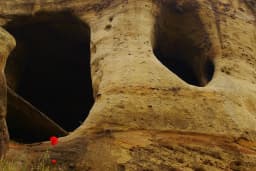
You can still explore the Nottingham Castle caves visit to see the subterranean passages that date back to the Middle Ages. The cave tour is a 45-minute guided experience that takes you through Mortimer's Hole and a network of rooms carved into the sandstone, including a medieval tannery and a WWII air-raid shelter. It costs £5 extra on top of standard admission and is the most-praised part of any visit.
Robin Hood Adventures: Interactive Experiences at the Castle
The Robin Hood Adventures exhibit uses cutting-edge technology to bring the legendary tales to life for a new generation of young explorers. Interactive digital games allow visitors to test their skills in the same way the Merry Men did in the heart of Sherwood. These experiences are particularly popular with those looking for Nottingham things to do for adults who enjoy immersive storytelling.
One of the highlights is the longbow archery simulation, where you aim for the bullseye in a digital Golden Arrow competition. The game gives feedback on your technique, making it educational as well as entertaining. Another standout is the quarterstaff fighting game, which recreates the legendary meeting between Robin Hood and Little John on the bridge — players use timing and strategy to win the duel, mirroring the classic scene from the ballads.
Beyond the games, you can dress up as one of Robin's outlaw companions and complete a series of Nottingham challenges across the exhibit. Large-screen animated films tell the story of the Merry Men through vivid visual storytelling that works for both children and adults. The exhibit is included in standard admission and typically takes 60 to 90 minutes to fully experience.
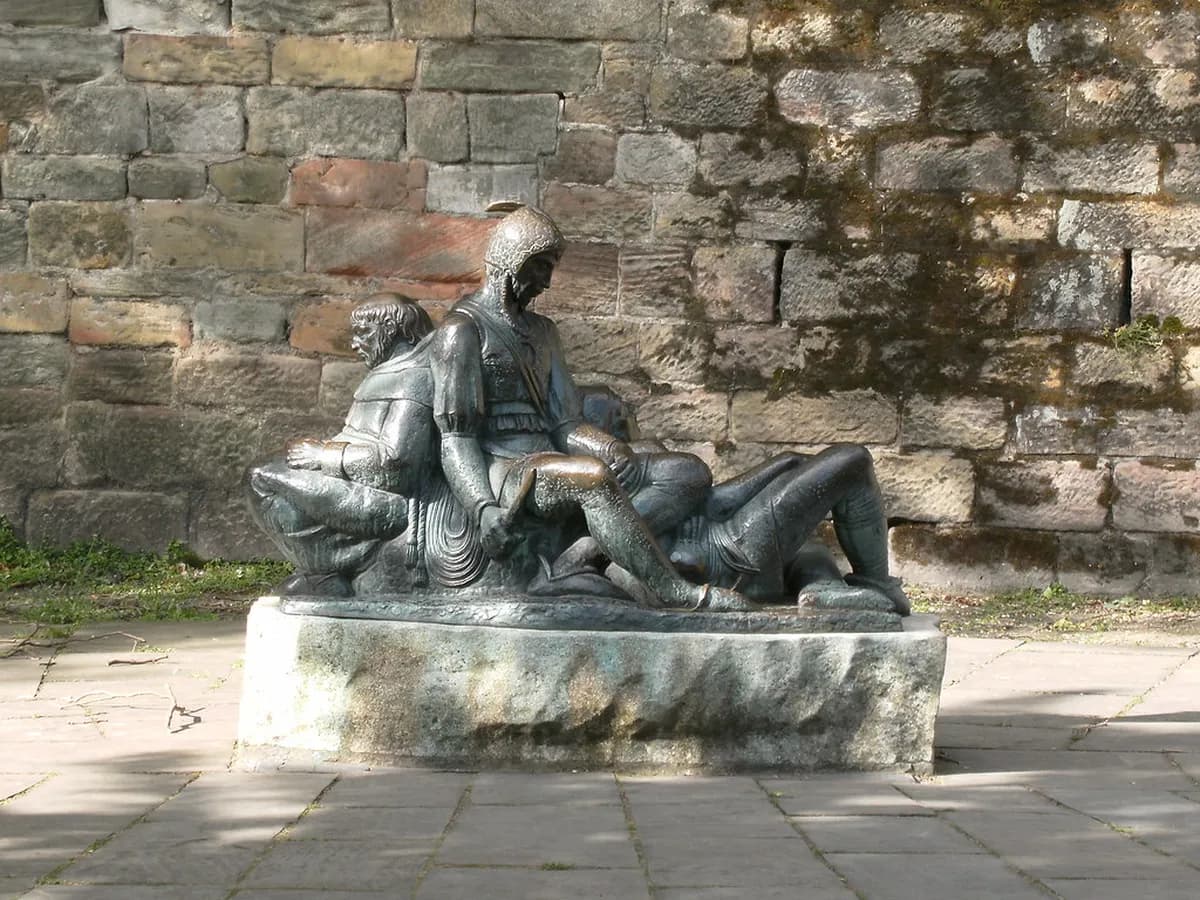
Outside the main entrance, the famous seven-foot bronze Robin Hood statue by Royal Academy sculptor James Woodford has stood since 1952. It is the most-photographed spot at the castle and serves as the natural starting point for any visit. A smaller tableau of the Merry Men is nearby, giving context to the wider legend before you head inside.
The Legacy: Robin Hood as a Global Symbol of Hope
The story of Robin Hood has transcended its local origins to become a global symbol for those who fight against social injustice. Many international figures have been compared to the outlaw: the Italian revolutionary Giuseppe Garibaldi, Ahmad Khan Kharal in Punjab, Queen Nanny of the Maroons in Jamaica, and Nottingham's own Ned Ludd, whose followers smashed industrial machinery in protest against the factory owners who threatened their livelihoods. Even the Luddites of the 19th century drew on the idea of a secret leader fighting for ordinary workers against an uncaring establishment.
The enduring popularity of the legend ensures that the castle will always be a place of pilgrimage for those who value freedom. Modern adaptations in film and television continue to reinvent the character, keeping the core message relevant for contemporary audiences in 2026. Checking the Nottingham attractions complete guide shows how many sites across the county are linked to this lasting cultural legacy.
The castle serves as the physical anchor for this myth, providing a tangible connection to the stories that have shaped our cultural landscape. Whether you are a history buff or a fan of the movies, the site offers a deep and meaningful look at heroism. The legacy of the Merry Men continues to inspire hope and a sense of justice in people from all walks of life.
Planning Your Visit: Tickets, Timing, and Tips
The castle is open throughout the year. Standard hours in 2026 are 10:00 to 17:00 daily (last entry 16:00), with reduced winter hours from November through February. Booking your Nottingham Castle tickets prices online saves time and guarantees entry during busy school holidays. Always check the Nottingham Castle opening times before traveling, as the site closes for special events several times a year.
Adult admission is £15.00 and children (5 to 15) pay £9.00. The cave tour, which includes Mortimer's Hole, costs £5.00 extra per person and must be booked at the ticket desk on arrival — numbers are limited per session, so arrive early if the caves are a priority. Allow at least three to four hours for the museum, the Robin Hood Adventures exhibit, and the cave tour combined.
The castle sits on Castle Road in the city centre, a 10-minute walk from Nottingham train station. There is no on-site parking; use the Broadmarsh car park or the canal-side multi-storey nearby. Lifts are available for most of the museum, though some cave passages require climbing narrow stairs. The on-site terrace cafe is open during museum hours and a well-stocked gift shop sells books, replica medieval items, and Robin Hood memorabilia.
After your visit, Ye Olde Trip to Jerusalem pub sits directly beneath the castle rock on Brewhouse Yard, about a two-minute walk from the main exit. It claims to be the oldest pub in England, dating from 1189, and parts of the building are literally carved into the sandstone cliff. It is a natural end to any castle visit and the bar food is solid — book a table in advance on busy summer weekends.
Frequently Asked Questions
Is there a real Robin Hood associated with Nottingham Castle?
While there is no single historical figure definitively proven to be the outlaw, the legend likely stems from multiple real-life rebels. These individuals fought against the harsh Forest Laws of the medieval period. You can learn more about these theories at the Nottingham Castle Official Site during your next visit.
What can you do at the Robin Hood Adventures exhibit?
The exhibit features interactive digital games including longbow archery and quarterstaff fighting simulations. Visitors can also watch animated films that detail the life and legends of the Merry Men. It is a highly engaging way for families to experience the folklore through modern technology and immersive storytelling.
How has Nottingham Castle changed since the medieval era?
The original medieval fortress was largely destroyed in the 17th century and replaced by a Ducal Palace. This stately home was later burned during riots and eventually restored as a museum and art gallery. Today, only the subterranean caves and parts of the gatehouse remain from the original medieval structure.
What are the earliest literary mentions of Robin Hood?
The earliest known mention is in William Langland's 1377 poem, Piers Plowman, which refers to popular rhymes about the outlaw. Other significant early texts include the 15th-century Gest of Robin Hood. These ballads established the core elements of the story that we still enjoy in modern times.
The nottingham castle robin hood story remains one of the most enduring and beloved legends in the history of the United Kingdom. By visiting this iconic site, you can walk in the footsteps of heroes and villains while exploring centuries of fascinating history. Plan your adventure today to discover why the spirit of Robin Hood continues to thrive in the heart of Nottingham.