Nottingham Tunnels Underground: A Guide to the City's Caves
Explore the history of Nottingham's tunnels and underground caves. From medieval tanneries to WWII shelters, plan your visit with our expert guide.
On this page
Nottingham Tunnels Underground
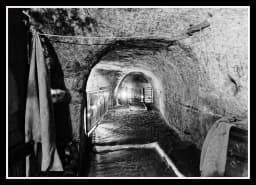
Nottingham sits on a massive ridge of soft Triassic sandstone that people have carved for over a thousand years. This unique geology created a hidden world of nottingham tunnels underground that once served as homes, workshops, tanneries, and wartime shelters. Today, these hand-carved chambers offer a fascinating glimpse into the social and industrial history of the East Midlands. Visitors can explore everything from medieval tanneries to secret royal passages buried beneath the modern city streets.
The city was once known as Tigguo Cobauc, an ancient name meaning the Place of Caves in Old Brythonic. Historical records from the 7th century describe a community living entirely within these subterranean sandstone dwellings. In 2026, the city officially reached 1,000 recorded man-made caves — a number that keeps growing. This guide covers the most significant sites you can visit, practical ticket details, and what the caves reveal about ten centuries of Nottingham life.
The History of Tigguo Cobauc: Nottingham's Sandstone Foundations
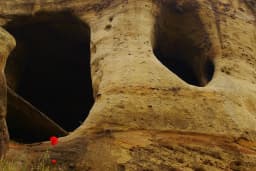
The story of Nottingham begins with its distinctive geology: a soft but stable desert sandstone that is easy to carve with basic hand tools. Early settlers realised they could extend their living space by digging directly into the cliffs and hillsides without the expense of timber or stone. This practice continued for centuries, producing hundreds of individual man-made chambers that mirror the layout of the medieval streets directly above them.
The name Tigguo Cobauc was first recorded by Asser, a monk who documented the life of King Alfred in the 9th century. He noted that the settlement was defined by its extensive network of caves rather than by wooden buildings. These spaces remained cool in summer and retained warmth in winter, making them practical year-round. Families often sheltered alongside livestock in the deeper chambers during harsh weather.
Archaeologists have found evidence of continuous occupation in these sandstone voids for over a millennium. While other English cities built upward, Nottingham residents found it cheaper and faster to dig downward. The result is a labyrinth that grew organically beneath the market squares, lace factories, and pub yards of the city. Each layer of use — domestic, industrial, commercial, military — is readable in the rock itself.
Must-Visit Sites: The City of Caves and National Justice Museum
The most accessible entry point into the nottingham tunnels underground is the City of Caves, located beneath the former Broadmarsh shopping centre. This site preserves a substantial section of the original cave network, including the only underground tannery in Britain and reconstructed Victorian slum dwellings. You can view our city of caves Nottingham guide for detailed arrival instructions and parking tips. The entrance leads into a surprisingly vast subterranean complex that tells the story of the Broadmarsh and Lace Market neighbourhoods from the medieval period onward.
Visitors choose between two tour formats. The self-guided audio tour lets you move at your own pace through the archaeological features of the sandstone walls — ideal for history enthusiasts who want to absorb detail. The actor-led performance tour, featuring archaeologist characters Archie and Annie, is designed for families and brings the Victorian slum conditions and industrial history to life in roughly 45 to 60 minutes. Both formats cover the WWII air raid shelter section, where original benches and wartime graffiti survive intact.
The National Justice Museum in nearby Shire Hall is worth adding to the same day. It dates to the 15th century, features the original prison cells carved into sandstone below the courts, and runs dramatic events including murder mystery nights and medieval banquets. Check the National Justice Museum website for current opening hours and to book the joint ticket, which saves over 20% compared to buying separately. The two sites are within easy walking distance of each other.
Royal Secrets: Mortimer's Hole and Nottingham Castle
Nottingham Castle sits atop a high cliff riddled with secret passages used by kings and conspirators across the centuries. The most famous of these is Mortimer's Hole, a steep tunnel that runs from the castle grounds down to the base of the rock. In 1330, young King Edward III used this passage to stage a night-time coup against Roger Mortimer, who had been ruling England alongside the Queen Mother following the suspicious death of Edward II. The ghost of Isabella of France — Mortimer's lover — is said to haunt the castle precincts, and her story is inseparable from the tunnel's reputation.
Edward's men entered the castle through the tunnel under cover of darkness and captured Mortimer by surprise. The coup ended Mortimer's regency and cemented Edward III's personal rule. You can read more about this episode in our Nottingham Castle history guide. The tunnel is now open for guided tours that descend from the castle terrace to the cliff base, where the height and scale of the defensive rock becomes visceral.
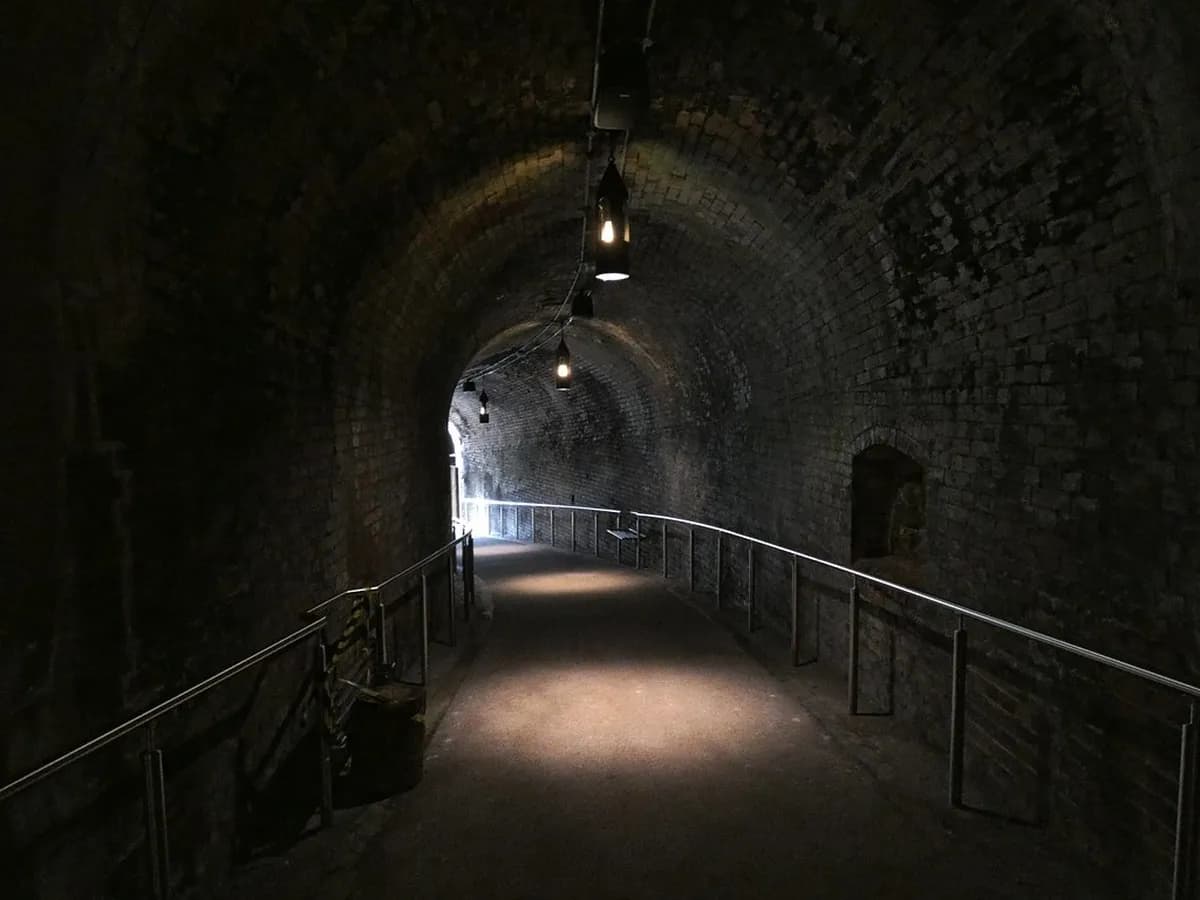
Walking Mortimer's Hole requires a reasonable level of fitness — the steps are steep and the passage narrows considerably at several points. Tour guides explain the medieval siege architecture and the strategic advantage the castle rock gave its defenders. It remains one of the few places in England where visitors can read defensive tunnel design directly in the stone.
Industrial Heritage: Medieval Tanneries and Pub Cellars
The caves were not just for shelter — they powered Nottingham's medieval trades. The sandstone chambers provided constant temperatures and natural humidity, making them ideal for tanning, malting, and beer storage. The City of Caves preserves the only surviving underground tannery in the United Kingdom, complete with rock-cut vats where animal hides were soaked in a long preservation process. The cool atmosphere prevented hides from deteriorating during the weeks-long treatment, giving Nottingham's leather industry a genuine competitive advantage.
Beer storage is arguably the caves' longest continuous commercial use, running uninterrupted from the 13th century to the present day. Ye Olde Trip to Jerusalem, built into the base of the castle rock and claiming an origin date of 1189, is the most famous example. Its cellars are carved directly into the sandstone and have provided natural refrigeration for ale across eight centuries. The pub is not a tourist trap — it is mostly frequented by locals — but the cave rooms are worth seeing for the Cursed Galleon exhibit alone. Consider checking our Nottingham caves tour list for other pubs with accessible underground cellars in the city centre.
The Lace Market area above the caves once drove Nottingham's global export trade. Finished Nottingham lace was shipped across Europe, particularly to France and Germany, making the city wealthy through the 19th century. Archaeologists have found Venetian glassware in cave deposits beneath several city-centre pubs, pointing to a sophisticated import trade that used the caves as secure bonded storage. These finds are among the details that make Nottingham's underground record unusual even by European standards.
From Slums to Shelters: The Changing Human Use of Caves
By the 19th century, many caves had become severely overcrowded slums for the city's poorest residents. Families in the Narrow Marsh and Broadmarsh districts lived in cave-like rooms carved into the rock beneath dense surface housing, with no natural light and inadequate sanitation. The St. Pancras Health Act of 1845 finally banned the renting of cellars and caves as homes, forcing residents into new brick housing. The transition was slow — enforcement was patchy and poverty ran deep in those districts.
The caves found a new purpose during the Second World War. Nottingham suffered a dozen air raids over the course of the conflict, which killed or injured over 500 people. Around 10% of the cave network served as air raid shelters, including both older existing chambers and new ones cut directly from the sandstone. That freshly quarried sand was repurposed to fill sandbags protecting the buildings above. Some shelter sections were fitted with electric lighting, bunk beds, and basic first-aid stations. Wartime graffiti and original benches remain visible in several sections today.
Exploring the wartime sections is a sobering counterpoint to the industrial tour. The same spaces that housed tannery workers and slum families in previous centuries became the last line of safety for thousands of civilians during the Blitz. The continuity of use across radically different historical conditions is what separates Nottingham's cave record from almost any comparable city in England.
The Caves Almost Disappeared: Historic England's Scheduled Monument Status
The caves that visitors explore today nearly did not survive the 20th century. In the 1960s, Nottingham's modernisation plans included proposals to seal off or fill the cave network with concrete as part of a major city-centre redevelopment. The caves were considered an inconvenient obstacle rather than a heritage asset. It was sustained campaigning by local community archaeology and history groups that forced planners to halt those proposals and preserve what remained.
The outcome of that fight was significant: the caves were listed as a Scheduled Monument by Historic England, giving them legal protection that no planning authority can override without central government consent. That designation is why the City of Caves attraction exists today and why the 1,000-cave milestone recorded in 2026 has meaning — none of those spaces could have been documented if the concrete had gone in sixty years ago.
The preservation story is not entirely settled. City archaeologist Scott Lomax has noted that many caves beneath private properties remain sealed and unknown to their current owners. Some are at structural risk. New construction in the city centre regularly uncovers previously unmapped chambers — an 18th-century sand mine, a 19th-century beer cellar, tunnels extending beyond previously recorded boundaries. Lomax expects the total count to continue rising well past 1,000 as archival research catches up with what is in the ground. Historic England's Scheduled Monument status is the single most important factor keeping that record from being erased by development.
Peel Street Caves and the Malt Cross: Lesser-Known Sites Worth Visiting
The City of Caves gets most of the foot traffic, but two other sites reward visitors who dig deeper. The Peel Street Caves, sometimes called the Robin Hood Mammoth Cave, run beneath Mansfield Road and began as an 18th-century sand mine supplying the nearby glass kiln factories. The network is so large that rescue services use it for training drills. During WWII it sheltered over 200 citizens at a time. Guided tours run through the cave city underground festival and on scheduled dates — check Visit Nottinghamshire for current availability, as sessions sell out quickly.
The Malt Cross on St. James's Street offers a very different experience. Builders renovating the Victorian music hall for public use in 2014 broke through fake walls, found a concealed room, and uncovered a secret passage leading into an 800-year-old cave believed to be connected to the medieval Carmelite monastery that once stood nearby. Those cave spaces now host poetry nights, gin tastings, and private events beneath the building's famous arched glass ceiling. It is one of the few spots in Nottingham where medieval cave architecture doubles as an active hospitality venue.
Brewhouse Yard, nestled beneath the castle rock close to Ye Olde Trip to Jerusalem, is worth a short detour. Five 17th-century cottages here contain caves that have served as plague houses, air raid shelters, and even a cosmic-ray testing laboratory in the 1970s. The Museum of Nottingham Life at Brewhouse Yard uses the cottages and cave spaces to document city history through reconstructed room settings and original artefacts — entry is free.
Planning Your Visit: Tickets, Tours, and What to Expect
Advance booking is strongly recommended for all main Nottingham tunnels underground tours, especially during summer and school holidays. The City of Caves adult ticket costs approximately £12.00 for the standard audio tour. The joint ticket with the National Justice Museum costs approximately £21.00 and offers the best overall value for a full day of Nottingham heritage. Visit the Visit Nottinghamshire site for the current schedule of seasonal events and special tours.
Underground temperature stays around 14°C year-round regardless of surface conditions, so bring a light jacket even on hot summer days. Wear sturdy shoes with good grip — sandstone becomes slippery when damp and most passages have uneven floors. The City of Caves has some accessible areas but many sections involve steep steps. Mortimer's Hole in particular demands reasonable fitness. If you have concerns about claustrophobia, the wider passages at the City of Caves are manageable, but the narrower sections of Mortimer's Hole and the Peel Street caves may feel uncomfortable.
For visitors on a tight budget, several cave entrances are visible from public paths at no cost. The Brewhouse Yard Museum of Nottingham Life offers free admission. Our guide to Nottingham free things to do includes more options in the city centre. For first-time visitors, the recommended sequence is City of Caves in the morning, National Justice Museum in the afternoon (joint ticket covers both), and Ye Olde Trip to Jerusalem in the evening to experience a living example of the cave-cellar pub tradition firsthand.
Frequently Asked Questions
How many caves are under Nottingham?
There are over 1,000 recorded man-made caves beneath the city of Nottingham. This milestone was officially reached in 2026 following extensive research by local archaeologists. Most of these caves are carved into the soft sandstone ridge that runs through the city center. You can explore a significant portion of them at the City of Caves attraction.
Can you visit the tunnels under Nottingham Castle?
Yes, visitors can take guided tours of the tunnels located beneath Nottingham Castle. The most famous route is Mortimer's Hole, which leads from the castle terrace down to the base of the rock. These tours provide historical context about the medieval siege and the capture of Roger Mortimer. Booking in advance is highly recommended as tour groups are kept small.
What is the City of Caves in Nottingham?
The City of Caves is a popular tourist attraction that allows the public to explore a section of the city's underground network. It features a medieval tannery, Victorian slum dwellings, and a WWII air raid shelter. The entrance is located on the upper level of the Broadmarsh shopping center. It offers both actor-led performances and self-guided audio tours for visitors.
Is there a joint ticket for Nottingham's underground attractions?
Yes, a joint ticket is available for the City of Caves and the National Justice Museum. This ticket offers a significant discount compared to buying individual entries for both sites. It is an excellent way for families and history buffs to save money while exploring the city's heritage. The attractions are located within walking distance of each other in the Lace Market area.
The nottingham tunnels underground represent one of the most significant archaeological features in the United Kingdom. From their ancient origins as Tigguo Cobauc to their legal protection as a Historic England Scheduled Monument, they define the city's identity and survival. Whether you are interested in royal scandals, industrial history, or wartime resilience, there is a layer of sandstone with that story still readable in its walls. Plan your visit in 2026 to walk in the footsteps of the people who shaped this hidden world.
Book tickets in advance to avoid missing out on popular tours. Exploring the caves gives a perspective on Nottingham that no museum above ground can replicate. Check our Nottingham activities guide for more ideas on how to spend your time in the city. The secrets of the sandstone are waiting just beneath the streets.