
12 Best Nottingham Attractions and Things to Do (2026)
Discover the top Nottingham attractions, from the historic Nottingham Castle to hidden gems like the Park Tunnel. Plan your 2026 trip with our expert local guide.
On this page
12 Best Nottingham Attractions and Things to Do (2026)
Nottingham punches well above its weight for a city of its size. The sandstone bedrock that the city stands on is riddled with more than 800 hand-carved caves, the castle sits on a 40-metre cliff, and the Robin Hood legend runs through nearly every district. Before you arrive, check our visit Nottingham travel guide for essential arrival tips including train times and accommodation zones. This guide covers the 12 best Nottingham attractions for 2026, organized by type so you can build an itinerary that fits your interests and budget.
Budget travelers will find plenty of no-cost options, and our separate list of nottingham free things to do goes deeper on free entry sites across the city. The attractions below range from ticketed heritage sites to free public sculptures. All prices reflect 2026 rates — book online in advance for the castle and cave tours, as popular slots sell out on weekends. Check the Visit Nottinghamshire Official Site for the latest event schedules and any seasonal closures before you travel.
Must-See Historical Landmarks
Nottingham's historical core is compact enough to cover on foot in a single morning. The castle, the caves beneath it, and the National Justice Museum sit within a ten-minute walk of each other in the city centre. All three require advance booking in 2026, especially on weekends.
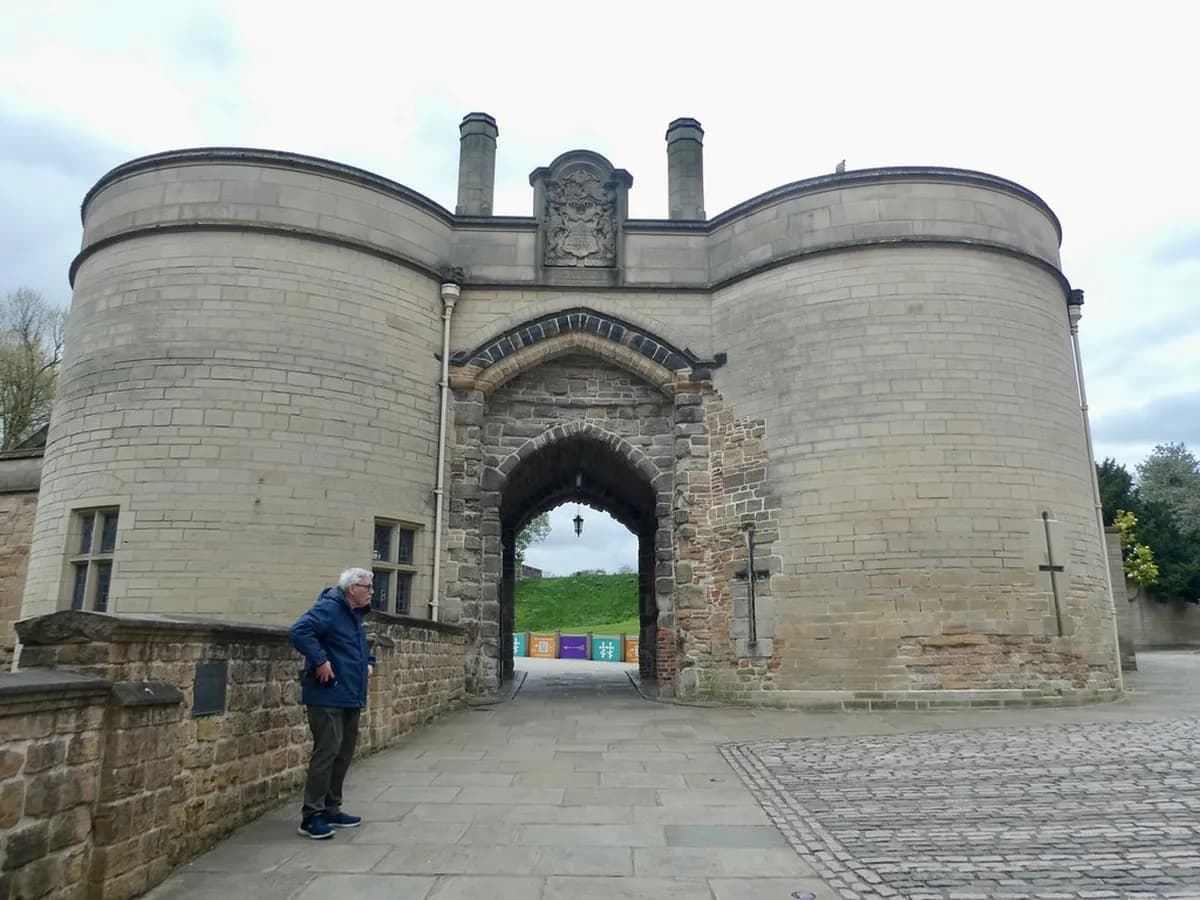
Nottingham Castle and Ducal Mansion reopened after a £30 million renovation and is the natural starting point for any visit. The hilltop fortress contains the Robin Hood galleries, a permanent exhibition covering the 1831 Reform Riots, and the legendary underground passage where King Edward III's men entered to seize Roger Mortimer. Adult tickets cost £12–£15 and the site opens daily 10:00–17:00. Take the tram to Old Market Square and walk five minutes up the hill. Book the separate cave tour at the gatehouse to see the tunnels properly — it adds 45 minutes and is worth every extra penny.
City of Caves is a 45-minute guided tour through 500 sandstone caves directly beneath the Broad Marsh area. You'll pass a medieval tannery pit, Second World War air raid shelters, and a Victorian slum dwelling — three distinct eras stacked beneath one street. Tickets cost £8–£10; the entrance is signposted from Drury Walk near the main bus station. Wear flat shoes — the uneven ground is slippery in damp weather. For a detailed route and access notes, see our city of caves nottingham guide.
National Justice Museum occupies a former Victorian courthouse and jail on High Pavement in the Lace Market. Live actors re-enact trials using original dock and jury benches; the exercise yard still carries prisoner graffiti scratched centuries ago. Adult admission is £12–£14, open daily 10:00–17:00. Walk five minutes east from the tram's Lace Market stop. The combination of the caves in the morning and the Justice Museum in the afternoon makes for a solid full-day history itinerary.
Old Market Square is free to enter and worth fifteen minutes of deliberate attention. It is the second-largest public square in England. Look at the floor near the Council House steps: a metal drainage channel marks the line of the old wall that once divided the Anglo-Saxon and Norman quarters of the medieval town. The two stone lions at the base of the Council House steps — named Leo and Oscar — have been a local meeting landmark for generations. The Left Lion is Nottingham's unofficial city emblem.
Museums and Contemporary Art
Nottingham has a stronger contemporary art infrastructure than most UK cities its size. Three significant venues are within easy reach of the city centre, all with free admission. The as listed by the Nottingham City Council - Museums & Galleries site, these venues collectively host world-class touring exhibitions throughout the year.
Nottingham Contemporary is one of the largest contemporary art spaces in the UK, housed in a gold-lace-patterned building in the Lace Market. Entry is free. It opens Tuesday–Sunday 10:00–18:00. The basement café is one of the quieter spots in the city to eat lunch, and the building itself — designed by Caruso St John — is worth examining from the outside. Walk two minutes from the Lace Market tram stop on Weekday Cross.
New Art Exchange in Hyson Green focuses specifically on contemporary art from global majority artists. It is the largest dedicated gallery of its kind in the UK outside London. Free admission; open Tuesday–Saturday 10:00–16:00. Take the tram to Gregory Boulevard stop — the gallery entrance is one minute's walk. The café here serves some of the best vegetarian food in the city.
Wollaton Hall Natural History Museum, housed inside the Elizabethan mansion that doubled as Wayne Manor in The Dark Knight Rises, costs £5–£8 for adults. The park itself is free. The 500-acre deer park holds herds of red and fallow deer that roam within ten metres of the path near the lake. Take the number 35 bus from the city centre for a 20-minute ride. Arriving at sunset gives you the best light on the façade and the best chance of seeing the deer near the water.
Parks, Nature, and the Legend of Robin Hood
One important distinction that generic guides skip: the Robin Hood sites divide into two geographic groups. The city-centre sites — the castle, the caves, the Robin Hood statue — are walkable. Sherwood Forest is 25 km north and requires a deliberate day trip. Plan these as separate outings.
Sherwood Forest National Nature Reserve is a 450-hectare ancient woodland and the home of the 1,000-year-old Major Oak, the tree traditionally associated with Robin Hood's camp. Entry to the forest and visitor centre is free; parking costs £5 for the day. The Sherwood Arrow bus runs from Victoria Coach Station in about one hour. The annual Robin Hood Festival in August brings archery displays and medieval re-enactment to the site — worth timing your visit around if you are travelling with children. The forest is also one of England's finest locations for lesser-spotted woodpeckers.
Newstead Abbey was the family seat of Lord Byron and sits 20 km north of the city. The landscaped grounds feature a Japanese water garden, a monastic cloister, and Byron's tomb for his dog Boatswain — one of the most eccentric pet monuments in England. Garden admission is £5–£10; house tours cost £12–£15. Drive north or take a train to Newstead station followed by a short walk. The grounds are best in late spring when the rhododendrons are in bloom around the lake.
For the full history of the Robin Hood legend across both city and forest sites, our nottingham castle history guide breaks down which elements of the story connect to which physical locations.
Hidden Gems and Quirky Local Favorites
Nottingham's most interesting details are the ones that tour buses drive past. These four sites take under two hours combined and cost nothing to visit.
Anish Kapoor's Sky Mirror sits on the terrace of the Nottingham Playhouse on Wellington Circus, five minutes' walk from Old Market Square. The six-metre stainless steel concave dish reflects the sky and surrounding rooftops and was voted by locals as the city's best landmark. Kapoor made the larger Cloud Gate in Chicago; this one is smaller but, arguably, more intimate. The Playhouse bar serves drinks on the terrace — arrive in the late afternoon when the light hits the bowl at a low angle. Free to view at any hour.
The Park Tunnel is a sandstone carriage tunnel built in 1855 for the Duke of Newcastle, cut through the same rock as the city's cave system so that horse-drawn carts could reach the estate from the town centre. The architect misjudged the gradient so badly that loaded carts could barely make the climb — making it an expensive engineering embarrassment that still stands. Enter via the Upper College Street NCP car park and descend the stairs. The tunnel opens to pedestrians 24 hours a day and costs nothing. Most visitors walk right past the car park entrance without realising what lies beneath. In early June, the private estate on the far side runs the Park Gardens Trail, where residents open their walled gardens to the public — one of Nottingham's least-publicised annual events.
Ye Olde Trip to Jerusalem is carved directly into the sandstone cliff beneath the castle. Dating to 1189 AD — the year Richard I became king — it is reputedly England's oldest inn. The caves behind the bar are the actual cave-system rooms; the pub uses them as cellars. A carved galleon hangs in one alcove and the ceiling is raw rock. This is the single site that most vividly demonstrates how Nottingham's cave network and its above-ground history are the same story told at different depths. No cover charge; expect to pay standard pub prices for drinks.
Sneinton Market Creative Quarter is ten minutes' walk from the Lace Market and most visitors never find it. The permanent units around the market square house independent makers, a record shop, a house-plant specialist, and rotating food vendors. Browsing is free; most shops open Saturday from 10:00–16:00. Look for the mural wall on the eastern side of the square for some of the best street art in the city.
Family-Friendly and Free Things to Do
A substantial proportion of Nottingham's best sites are genuinely free to enter. Families with children can fill two full days without paying a single entrance fee by combining the sites below. For wet-day options, our guide to nottingham indoor activities families love covers the best covered venues in detail.
Greens Windmill and Science Centre in Sneinton is a working 19th-century tower windmill that still grinds organic flour for sale in the shop. The adjoining science centre explores the life of mathematician George Green, who worked in the mill and whose equations underpin modern physics. Admission is free for all visitors; open Wednesday–Sunday. Walk fifteen minutes east from Old Market Square or take a five-minute taxi. Children can climb to the top of the working mill when wind conditions allow — the miller will usually explain the process.
Wollaton Park is free to enter at all times. The 500 acres include a formal walled garden, a lake with waterbirds, and free-roaming deer herds. The Natural History Museum inside the hall charges a small fee but the park itself requires nothing. Take bus number 35 from the city centre. Families often spend three to four hours here without visiting the hall interior at all.
The Old Market Square fountains run throughout summer and are a free activity for young children. The square also hosts free events through the year, including the Goose Fair setup in late September and a large Christmas market from mid-November. Both are free to enter, though the rides and stalls have individual costs. For a full list of free attractions, budget at least half a day for the Lace Market streets themselves — the Watson Fothergill Victorian architecture along Hockley costs nothing to admire and rewards slow walking.
Practical Planning: Getting Around and Best Times to Visit
Nottingham's tram network (NET) connects the railway station, Old Market Square, the Lace Market, and Hockley on a single line. A day ticket costs around £4.50 for unlimited travel. One practical detail that most visitors miss: travel between Nottingham Station and Old Market Square is covered within a short free travel zone on certain services — check the NET app for current boundaries before buying a ticket. Walking is viable for the entire city centre; all historic sites fall within a 20-minute radius of Old Market Square.
Most city-centre attractions are clustered tightly enough that a two-day visit covers the main sites at a comfortable pace. If you plan to add Sherwood Forest or Newstead Abbey, build in a third day. Use our nottingham things to do weekend guide for a two-day itinerary that sequences sites by location to minimise walking backtracking.
Spring (March–May) is the best time to visit for mild weather and smaller crowds. Summer brings the Robin Hood Festival in August and the largest visitor numbers at Sherwood Forest. Autumn is worth timing around the Goose Fair in early October — one of Europe's oldest travelling fairs and a genuinely local event rather than a tourist attraction. Avoid the week of the Goose Fair if you prefer quieter streets; embrace it if you want the city at its most animated. Winter has the Christmas market from mid-November, which transforms Old Market Square into one of the better seasonal markets in the Midlands.
Book Nottingham Castle tickets at least a week ahead during school holidays. City of Caves timed-entry slots on Saturday afternoons sell out by Thursday. The National Justice Museum rarely sells out but pre-booking saves the queue. All other sites on this list are either free-entry or walkable without advance booking.
Use our Nottingham attractions hub to plan the rest of your trip.
Frequently Asked Questions
What are the top-rated attractions in Nottingham?
The top-rated attractions include Nottingham Castle and the historic City of Caves beneath the streets. Visitors also highly recommend Wollaton Hall for its stunning architecture and deer park. These sites offer a mix of history and nature for all ages.
Is Nottingham Castle worth visiting?
Yes, Nottingham Castle is worth visiting after its major multi-million pound renovation project. The new galleries explain the Robin Hood legend and the city's rebellious history in great detail. It provides excellent views over the city from the terrace.
How many days do you need in Nottingham?
You generally need two full days to see the main city-centre attractions and historical sites. If you plan to visit Sherwood Forest or Newstead Abbey, add a third day for travel. This allows for a relaxed pace and time for local dining.
What are the best free things to do in Nottingham?
The best free things to do include exploring Wollaton Park and visiting the Nottingham Contemporary art gallery. Visitors can also see the Sky Mirror sculpture or walk through the historic Park Tunnel. Greens Windmill in Sneinton is also entirely free and often missed by first-time visitors.
Is Sherwood Forest close to Nottingham city centre?
Sherwood Forest is about 25 km north of Nottingham city centre, roughly a one-hour journey by the Sherwood Arrow bus from Victoria Coach Station. It is not walkable from the city and requires a dedicated half-day or full-day trip. Plan it separately from the city-centre cave and castle sites.
Nottingham rewards visitors who look beneath the surface — sometimes literally. The sandstone cave network, the castle tunnels, and the carved pub rooms all tell the same story: this is a city that has always built its life underground as much as above it. Two days covers the main sites; three days lets you reach the forest and the abbey. Book the castle and caves in advance for 2026, keep your walking shoes on, and the city will offer far more than the Robin Hood legend alone.
 Nottingham Castle Opening Times & Visitor GuideMay 16, 2026